Eerie: A Gothic Font for Dark Creativity
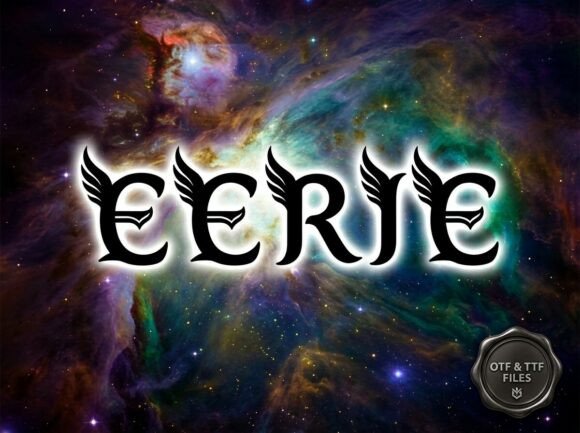
Fonts are more than just tools for communication—they’re visual storytellers. When you want to evoke a sense of dark majesty, ancient mystery, or supernatural intrigue, choosing the right typeface is essential. Enter Eerie, an ornamental Gothic font that blends dramatic flair with classic blackletter structure. Designed for maximum impact, Eerie features sharp-edged letterforms adorned with sweeping, feathered wing motifs emerging from the terminals. This unique combination makes it ideal for creative professionals who want to craft compelling visuals in genres like dark fantasy, heavy metal, and gothic aesthetics.
What Makes Eerie Unique?
The allure of Eerie lies in its intricate design and bold presence. Unlike standard blackletter fonts that prioritize readability above all else, Eerie leans into ornamentation without sacrificing legibility. The sweeping wings add a mythological dimension, making each letter feel like a glyph from a forgotten tome or a sigil of arcane power. These details don’t just look good; they convey meaning. They suggest history, ritual, and something beyond the ordinary—perfect for content that needs to stand out in both form and feeling.
This font’s character set is expansive, including alternate glyphs and stylistic variations that allow designers to tailor their projects with subtle or dramatic changes. Whether you're working on print or digital media, Eerie offers enough versatility to maintain its integrity while adapting to different contexts.
Creative Possibilities with Eerie
Eerie isn’t just a font—it’s a mood. Here are some ways you can harness its power across various creative fields:
- Book Covers and Titles: If you're illustrating a dark fantasy novel or a supernatural thriller, Eerie adds instant gravitas. Its ornate style works especially well for titles and chapter headings, drawing readers into a world of shadows and secrets.
- Heavy Metal Branding: Bands and record labels looking to create a heavier, more mystical vibe can use Eerie for album art, logos, or tour posters. It pairs beautifully with imagery of bats, crowns, and cryptic symbols.
- Gothic Event Invitations: From haunted house openings to gothic weddings, Eerie can lend a timeless elegance to event invitations. Pair it with deep purples, blacks, or metallic inks for added drama.
- Streetwear and Apparel Design: Tattoo-inspired logos and edgy brand headers benefit greatly from Eerie’s striking appearance. Use it sparingly on clothing tags, branding elements, or as part of a larger graphic motif.
- Web Headers and Landing Pages: For niche websites or campaigns targeting gothic, horror, or fantasy audiences, Eerie can serve as a powerful header font. Make sure to contrast it effectively with your background to ensure legibility.
Design Tips for Using Eerie
While Eerie is visually rich, using it effectively requires thoughtful application. Here are some practical tips to keep your designs clear and impactful:
- Use Sparingly: Because of its ornate nature, Eerie should be reserved for headlines, titles, or key phrases. Overuse can lead to visual clutter and reduce the overall effectiveness of your message.
- Pair with Simpler Fonts: Balance Eerie’s complexity by pairing it with a clean sans-serif or serif font for body text. This ensures your content remains readable while still benefiting from the dramatic title treatment.
- Consider Color and Contrast: Dark fonts often work best on light backgrounds, but Eerie also shines when layered over textures like parchment, stone, or even blood splatters. Choose colors that enhance its mysterious aura—deep reds, midnight blues, and silver accents can elevate the design significantly.
- Experiment with Layout: Eerie looks great when used creatively in layout. Try centering a title on a full-page spread, or wrapping it around a circular emblem for a symbolic touch. Its organic shapes make it adaptable to curved text and irregular alignments.
- Test Across Platforms: Before finalizing a design, test how Eerie renders on different devices and platforms. While it performs well in most settings, some mobile screens may require adjustments in size or color to maintain clarity.
Adapting Eerie for Different Audiences and Goals
Depending on your project, Eerie can take on multiple roles. Let's explore how different users might apply this font:
For Writers and Publishers
If you're designing book covers or promotional materials for dark fiction, Eerie can help establish tone and genre instantly. Consider using it for titles of novels set in medieval realms, occult societies, or dystopian futures. To maintain professionalism, avoid using it for subheadings or blurbs unless they’re stylized to match the main title.
For Marketers and Entrepreneurs
Brands in the fashion, entertainment, or wellness industries can use Eerie to create a signature look that resonates with a specific audience. Think about launching a line of gothic-inspired jewelry, creating a logo for a new occult-themed podcast, or crafting a header for a luxury candle brand with a mysterious twist. Always align the font with your brand identity and target market expectations.
For Educators and Hobbyists
Eerie can be a fantastic resource for educators teaching typography or design principles. It provides a tangible example of how historical styles can be reimagined for modern use. Hobbyists might enjoy incorporating it into personal zines, custom greeting cards, or even home decor like wall art or embroidered cushions.
For Freelancers and Small Business Owners
Freelancers in the design space can offer Eerie as part of a themed package for clients seeking a darker, more dramatic aesthetic. Small business owners, especially those in niche markets like vintage stores, tattoo parlors, or specialty cafes, can leverage Eerie to build a consistent and memorable brand image.
Real-World Examples and Inspiration
To better understand where Eerie fits, consider these real-world examples:
- A fantasy author uses Eerie for the cover of their new novella titled “Whispers Beneath the Crypt.” The wings on the letters mirror the story’s themes of hidden truths and forbidden knowledge.
- A metal band incorporates Eerie into their album artwork for a track named “The Hollow King.” The font complements the band’s stage visuals and enhances the lyrical depth of the song.
- A gothic wedding planner selects Eerie for the calligraphy on save-the-date cards and program inserts. The result is a cohesive, elegant theme that feels both traditional and otherworldly.
- A streetwear designer applies Eerie to a limited-edition hoodie tag, using gold foil printing to highlight the wings and give the piece a collectible quality.
These applications show how versatile Eerie can be. It doesn’t just fit the brief—it elevates it.
How to Source and Use Eerie Effectively
Before diving into your next project, ensure you have access to Eerie through a reputable font provider such as Adobe Fonts, Google Fonts, or independent foundries. Licensing terms will vary depending on usage, so always verify whether the font supports commercial, web, or print applications before committing.
Once installed, experiment with spacing and alignment. Because of its decorative nature, Eerie may need additional tracking or leading to appear balanced. Also, remember that not all characters may be available in every weight or style—check the font kit for alternates and special characters relevant to your project.
When using Eerie in digital formats, ensure it’s embedded properly if sharing files. For web use, consider converting the text to an image or SVG if browser compatibility becomes an issue. And don’t forget to back up your original design files in case licensing changes affect future use.
Ensuring Clarity and Consistency
One challenge with ornamental fonts like Eerie is maintaining readability. To do this:
- Limit the number of words in any one block of Eerie text.
- Use high-contrast color schemes to make the lettering pop.
- Avoid small font sizes; it loses detail and impact at lower resolutions.
- Stick to a consistent typographic hierarchy—don’t mix too many alternate glyphs randomly.
By following these guidelines, you’ll preserve the font’s dramatic qualities while ensuring your message is understood clearly.
Conclusion
Eerie is more than just another Gothic font—it’s a gateway to a world of dark creativity and artistic expression. Whether you're designing for print, digital, or personal use, this typeface brings a level of craftsmanship and mystique that few others can match. By understanding its strengths and limitations, you can integrate Eerie into your work in a way that’s both impactful and appropriate for your audience.
So next time you're reaching for a font that commands attention and conveys an air of ancient elegance, let Eerie guide your hand. Its sweeping wings and sharp edges are waiting to bring your ideas to life.