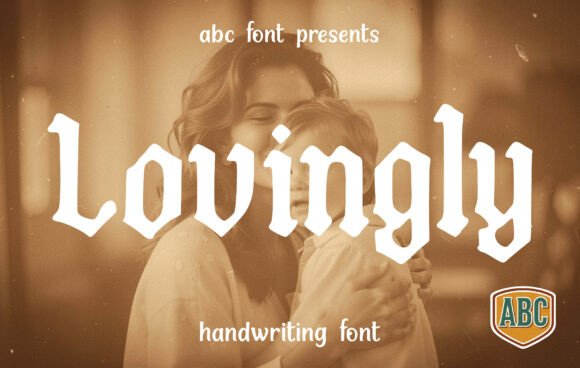
Exploring the Charm of the Lovingly Display Font: A Blend of Vintage Strength and Modern Sweetness
In today’s design world, typography plays a crucial role in conveying brand identity, emotion, and aesthetics. One standout font that has captured attention for its unique personality is Lovingly, a warm, high-impact display typeface that blends vintage charm with contemporary appeal. Whether you’re designing a family logo, crafting nursery art, or creating packaging for artisanal products, this font offers a versatile and emotionally resonant option.
What Is the Lovingly Font?
Lovingly is a semi-condensed display font characterized by its sturdy letterforms and distinctive notched terminals. These features give it a nostalgic feel while maintaining a soft and inviting presence. Designed to evoke feelings of tenderness, home, and heritage, it stands out as a thoughtful choice for visual communication across various industries.
Unlike standard fonts used for body text, display fonts like Lovingly are intended for headlines, logos, and other large-scale typographic elements where impact and style matter most. Its semi-condensed structure allows for compact yet legible arrangements, making it ideal for both print and digital formats.
Key Design Features of Lovingly
- Semi-Condensed Letterforms: The letters are slightly narrower than average but still maintain clarity and readability, especially when used in larger sizes.
- Notched Terminals: Each character ends with subtle notches, adding a handcrafted touch that enhances its warmth and approachability.
- Vintage-Inspired Style: Drawing from historical calligraphy and classic typefaces, it carries an old-world elegance while remaining fresh and modern.
- High Contrast: The balance between thick and thin strokes adds depth and visual interest, helping the font stand out against different backgrounds.
The Purpose and Significance of Lovingly
The primary purpose of the Lovingly font is to communicate warmth and sincerity through typography. In branding and marketing, the right font can influence how consumers perceive a product or service. For instance, a bakery using Lovingly on its signage might want to convey a sense of comfort and tradition, which aligns perfectly with the font's characteristics.
Its significance lies in its ability to bridge the gap between past and present. While many modern fonts prioritize minimalism and simplicity, Lovingly brings a human element into the mix—something that resonates deeply in today’s market where authenticity and emotional connection are highly valued.
Why Choose a Display Font Like Lovingly?
- Visual Impact: Display fonts are designed to be eye-catching, making them perfect for titles, headings, and promotional content.
- Emotional Resonance: Fonts like Lovingly help brands tell stories by evoking specific emotions or themes—such as nostalgia, love, or community.
- Brand Identity: Using a unique display font can differentiate your brand from competitors and create a memorable visual signature.
- Creativity and Versatility: It works well in a range of applications, including invitations, greeting cards, social media posts, and even app interfaces.
Practical Applications of the Lovingly Font
Display fonts aren’t just about looking pretty—they serve real-world purposes. Let’s explore some common use cases where Lovingly shines:
Family-Oriented Branding
When designing for family businesses or organizations, the font helps reinforce a sense of unity and care. For example, a family-run café could use Lovingly to promote their "homemade" values and connect with customers on a personal level.
Nursery Wall Art and Decor
Parents often look for fonts that reflect love and security for their child’s room. Lovingly fits this need beautifully. Its gentle curves and solid form make it ideal for wall decals, baby shower invitations, and nursery-themed merchandise.
Artisanal Food Packaging
Food brands that focus on quality, tradition, and craftsmanship benefit greatly from using fonts like Lovingly. It gives a sense of handmade care and time-honored methods, which appeals to conscious consumers who value authenticity.
Sentimental Greeting Cards
From birthday wishes to sympathy messages, the font’s tender appearance makes it perfect for greeting cards. It conveys sincerity and heart without being overly ornate or difficult to read.
How Lovingly Fits Into Modern Life and Work
In our fast-paced digital age, people are increasingly drawn to designs that feel genuine and heartfelt. Lovingly taps into this desire by offering a font that feels both nostalgic and relevant. Here’s how it integrates into various aspects of modern life:
Business and Branding
Startups and small businesses aiming to establish a warm, trustworthy image can leverage Lovingly in their branding materials. It adds a layer of sophistication and relatability, which is essential in building customer loyalty.
Education and Community Projects
Fonts like Lovingly can also enhance educational materials and community initiatives. For instance, a school event flyer or a neighborhood newsletter might use this font to foster a sense of belonging and shared history.
Creative Industries and Digital Media
Graphic designers, illustrators, and web developers often turn to display fonts to add personality to their projects. Lovingly is no exception—it can elevate the aesthetic of websites, mobile apps, and printed media alike. Its versatility ensures it adapts well to both traditional and digital platforms.
Technology and User Interfaces
While typically used for print, Lovingly can also be applied in user interface (UI) design, particularly for buttons, headers, and banners. However, due to its decorative nature, it should be reserved for accents rather than full paragraphs or body text.
Understanding Common Misconceptions About Display Fonts
Despite their popularity, display fonts like Lovingly are sometimes misunderstood. Here are a few myths and the truths behind them:
- Misconception: Display fonts are only for decorative purposes.
Reality: While they add visual flair, display fonts also play a functional role in branding and storytelling. They help set the tone and mood of a message. - Misconception: All display fonts are hard to read.
Reality: Many modern display fonts, including Lovingly, are crafted with readability in mind. Their design ensures they remain clear and effective at large sizes. - Misconception: Display fonts don’t work well in digital contexts.
Reality: When optimized for screen use, display fonts can perform exceptionally well online. They are often used in website headers, app icons, and social media graphics.
Creating with Lovingly: Tips and Best Practices
To get the most out of Lovingly, consider these best practices when incorporating it into your designs:
Pair It with a Complementary Font
Display fonts work best when paired with a clean, sans-serif or serif body font. This contrast helps highlight the main message without overwhelming the reader. For example, pairing Lovingly with a minimalist sans-serif font can balance its ornate style effectively.
Use It Sparingly
Because of its bold and expressive nature, Lovingly should be used selectively. Overusing it can lead to clutter and reduce its impact. Save it for headlines, taglines, or key phrases that deserve extra emphasis.
Consider Color and Background
The font’s notched terminals and high contrast mean it will pop against light or dark backgrounds. However, always test it with your chosen color palette to ensure legibility and visual harmony.
Test Across Devices
If using Lovingly in digital projects, make sure it renders clearly on all devices, including smartphones and tablets. Adjust spacing and size accordingly to maintain its integrity across platforms.
Why Lovingly Stands Out in the World of Typography
With thousands of fonts available online, standing out can be challenging. What makes Lovingly special is its combination of vintage strength and modern sweetness. It doesn’t just look good—it tells a story. This dual nature makes it adaptable to various design needs while keeping its core essence intact.
Another reason for its popularity is the growing trend toward handwritten and organic fonts. As audiences seek more authentic and less corporate-looking designs, fonts like Lovingly provide a solution that feels both professional and personable.
Aesthetic and Emotional Balance
Designers appreciate Lovingly for its balanced approach. It avoids the extremes of overly cursive or rigid styles, instead offering a middle ground that feels both structured and loving. This duality is especially useful in branding where consistency and warmth are equally important.
Real-World Examples of Lovingly in Use
Seeing how others have used Lovingly can offer inspiration and practical insights. Here are a few examples:
- Wedding Invitations: Couples use Lovingly to express the warmth and intimacy of their union. Its elegant notches and sturdy build lend a timeless quality to each invitation.
- Cozy Café Logos: Independent coffee shops and bakeries adopt the font to emphasize their home-cooked, community-driven ethos.
- Children’s Books: Authors and illustrators use it for chapter titles and cover designs to create a comforting and engaging reading experience.
- Event Posters: From family reunions to local festivals, Lovingly helps designers craft posters that feel welcoming and inclusive.
Conclusion: The Timeless Appeal of Lovingly
In summary, Lovingly is more than just a font—it’s a tool for storytelling and emotional expression. Its blend of vintage and modern elements, along with its usability in diverse contexts, makes it a favorite among designers and marketers. Whether you're working on a family business logo, a cozy food label, or heartfelt greeting cards, Lovingly brings a sense of warmth and tradition that’s hard to match.
As we continue to embrace more personalized and meaningful design in our daily lives, fonts like Lovingly remind us of the power of typography. They allow us to connect with our audience on a deeper level, not just through words, but through the very way those words are presented.