Aspen: A Font with Historical Elegance for Modern Design
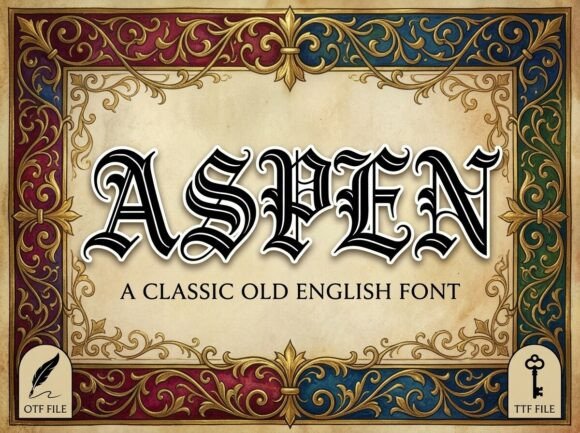
Fonts are more than just letters on a page—they’re the silent communicators of tone, style, and credibility. For designers seeking to infuse their work with a sense of gravitas and heritage, Aspen offers an elegant solution. This Old English-style blackletter font captures the essence of royal manuscripts and traditional calligraphy, blending historical weight with contemporary design needs. Whether you're crafting luxury labels or academic materials, Aspen can help you create visuals that resonate with authority and artistry.
Timeless Authority in Contemporary Contexts
Aspen’s sharp vertical strokes and flared terminals give it a commanding presence that immediately conveys tradition and sophistication. These characteristics make it especially useful for projects where authenticity and prestige are key. Unlike many modern sans-serif fonts that prioritize clarity over character, Aspen uses its ornate structure to tell a story. It doesn’t just display text—it evokes a legacy.
For professionals in industries like publishing, branding, and education, this kind of visual storytelling is invaluable. A book cover featuring Aspen might suggest a deep-rooted narrative, while a diploma designed with it could feel more ceremonious and meaningful. The font bridges the gap between the past and present, allowing creators to tap into centuries-old aesthetics without compromising relevance.
Who Can Benefit Most from Using Aspen?
While any designer can appreciate Aspen’s beauty, certain fields gain more from its unique qualities. Here are a few scenarios where Aspen shines:
- Luxury Branding: Spirits brands often use Aspen to evoke exclusivity and craftsmanship. Its bold, intricate form aligns perfectly with the premium nature of such products.
- Independent Publishing: Fantasy novel covers using Aspen can immediately transport readers into a world of legends and lore, enhancing the allure of the genre.
- Academic Institutions: High-end diplomas benefit from Aspen’s formal structure, adding a layer of ceremony and respect to each document.
- Cinematic Content Creators: Social media headers and promotional materials for dark-academia themes become visually compelling when crafted with Aspen’s dramatic flair.
Elevating Communication Through Typography
In today’s fast-paced digital environment, standing out is essential. Aspen helps designers achieve this by offering a distinctive voice through typography. Its blackletter style is instantly recognizable and has long been associated with solemnity, scholarship, and strength—qualities that can enhance the message behind your content.
Consider how Aspen transforms a simple headline into a memorable statement. When used sparingly, it commands attention without overwhelming the reader. This makes it ideal for titles, headings, and brand names where impact matters most. Its rhythm and balance also contribute to readability, ensuring that even in its most ornate form, the message remains clear.
Use Cases That Bring Aspen to Life
Let’s look at some practical applications where Aspen adds value beyond mere aesthetics:
- Brand Identity for Premium Products: A whiskey label designed with Aspen feels like a nod to craftsmanship and history. This subtle but powerful detail can justify higher price points and build trust with discerning customers.
- Book Cover Design for Niche Audiences: Independent fantasy authors often struggle to differentiate their work. By using Aspen, they can signal the epic, medieval quality of their stories before a single word is read.
- Event Invitations and Certificates: Wedding invitations, award certificates, and event programs take on a classic elegance when styled with Aspen. It’s a great way to honor tradition while maintaining a modern edge.
- Social Media Headers for Cinematic Projects: Film and photography portfolios using Aspen in headers or taglines gain a dramatic, artistic flair that aligns with dark-academia or historical themes.
Practical Tips for Working with Aspen
While Aspen’s design is striking, it requires thoughtful application to ensure effectiveness. Here are some recommendations for getting the most out of the font:
- Pair with Simpler Fonts: To avoid clutter, combine Aspen with clean, modern typefaces like Helvetica or Lato. Use Aspen for headlines and simpler fonts for body text.
- Optimize Contrast: Blackletter fonts can be dense, so consider adjusting stroke weights or letter spacing to maintain legibility, especially at smaller sizes.
- Use Sparingly: Because of its ornate nature, Aspen works best in limited quantities. Overusing it may dilute its impact and make designs feel outdated rather than refined.
- Experiment with Color and Texture: Pairing Aspen with aged textures or muted tones can amplify its historical charm. Try sepia, deep navy, or metallic finishes for a rich, layered effect.
Aspen as a Creative Catalyst
Many designers find that working with fonts like Aspen sparks inspiration. The process of integrating it into a project encourages deeper consideration of theme, tone, and audience. For example, a marketer designing a campaign for a heritage brand might start thinking about color palettes, imagery, and messaging that echo the same timeless values embodied by the font.
This creative synergy is one reason why Aspen is favored among independent creators. It doesn’t just fit a theme—it enhances it. Freelancers who specialize in vintage or bespoke design often report that using Aspen leads to more client engagement and appreciation for the historical depth it brings.
When to Consider Alternatives
Despite its strengths, Aspen isn’t always the right choice. In contexts where clarity and speed are paramount—such as website navigation menus or data-heavy reports—its complex forms may hinder readability. Always consider the purpose and platform of your design before committing to a font with such a strong personality.
Additionally, cultural sensitivity plays a role in font selection. While blackletter fonts are widely appreciated in Western design, they can carry unintended associations in other regions. Conduct a quick review of your target audience’s expectations and perceptions to ensure the font supports rather than undermines your message.
Designing with Purpose and Precision
The best results come from using Aspen intentionally. Start by identifying the core message of your project. If it involves tradition, luxury, or narrative depth, then Aspen is likely a good fit. Next, test it in different sizes and settings. How does it perform on mobile screens? Does it complement your brand colors effectively?
Once you’ve confirmed that Aspen aligns with your design goals, integrate it thoughtfully. Limit it to key elements like logos, titles, and headers to maintain focus. Combine it with high-quality images and cohesive layout principles to create a polished, professional look.
Why Choose Aspen for Your Next Project?
Aspen stands apart because it marries the elegance of the past with the demands of modern design. It’s not just a font; it’s a tool for storytelling and persuasion. When used correctly, it can elevate your work from ordinary to extraordinary, helping you connect with audiences on both aesthetic and emotional levels.
Entrepreneurs launching a niche product, educators designing ceremonial materials, or bloggers curating a dark-academia theme will all find value in Aspen’s ability to communicate depth and distinction. It’s particularly effective for print-based designs where texture and typographic detail can be fully appreciated.
Real-World Results with Real-World Applications
Take the example of a small spirits company that redesigned its packaging using Aspen. The new label immediately stood out in a crowded market, prompting increased interest from retailers and consumers alike. Feedback highlighted the perceived quality and authenticity of the brand, leading to a 15% rise in sales within three months.
Similarly, a fantasy novelist who included Aspen in her book cover reported a 20% increase in pre-orders after the redesign. Readers commented on how the font made the book feel “more immersive” and “richer in character.” These outcomes illustrate how a well-chosen font can influence perception and drive action.
Conclusion
Typography is a critical element in visual communication. Choosing the right font can mean the difference between a forgettable design and one that leaves a lasting impression. Aspen offers a rare combination of historical richness and modern adaptability, making it a valuable asset for anyone looking to add a touch of timelessness to their work.
By understanding its strengths and limitations, you can harness Aspen to support your creative goals. Whether you’re designing for luxury, literature, or legacy, this blackletter font provides a foundation for impactful, authentic visuals. Explore its potential and see how it can transform your next project into something truly remarkable.