Hybrid of Blackletter: Merging Medieval Elegance with Modern Readability
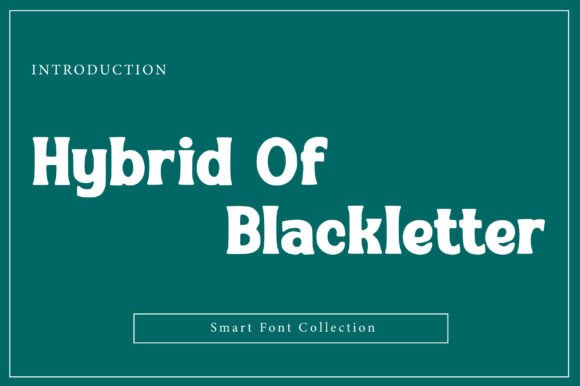
Typography plays a crucial role in visual communication, especially when it comes to branding, design, and creative projects. Choosing the right font can elevate your message, create emotional resonance, and reinforce your identity. Hybrid of Blackletter is a display font that successfully merges the dramatic flair of traditional blackletter with the clarity and structure of contemporary typography. This unique blend allows designers and creators to access a bold, gothic aesthetic without compromising on legibility or usability.
What Is Hybrid of Blackletter?
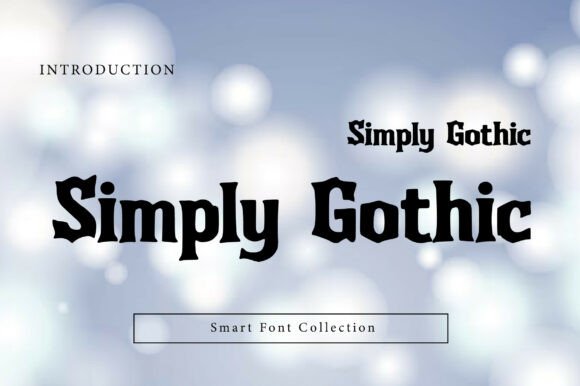
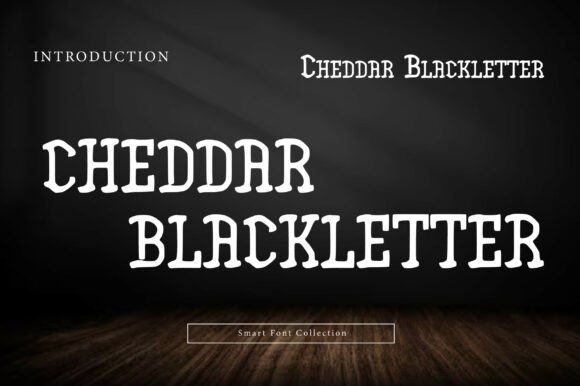
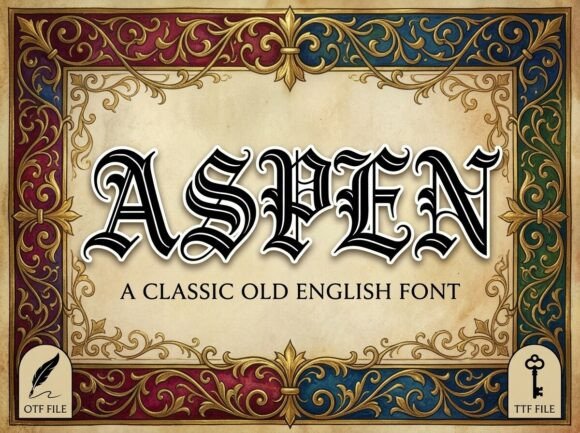
Hybrid of Blackletter is not just another variation of the classic Gothic script. It represents a thoughtful evolution of blackletter fonts—those medieval-style letterforms known for their ornate, angular strokes and dense character shapes. By simplifying some of the more complex embellishments while preserving the essence of blackletter’s historical roots, this font offers a fresh take on an old style. Its strong vertical strokes, sharp edges, and refined contours make it both visually striking and surprisingly easy to read at larger sizes.
This hybrid approach positions the font as a versatile tool for modern creatives who want to evoke a sense of tradition, mystique, or power without sacrificing functionality. Unlike many blackletter fonts that are difficult to use in extended text due to their intricate forms, Hybrid of Blackletter streamlines the design to work better in a range of applications—from logos to headlines to packaging.
Where Does Hybrid of Blackletter Fit Into Design Workflows?
Understanding where and how to apply Hybrid of Blackletter within your workflow is key to leveraging its strengths effectively. Here’s a practical breakdown of its integration points:
- Pre-Project Planning: During initial concept development, consider using Hybrid of Blackletter if your project requires a dramatic, edgy, or historic tone. It’s particularly useful in brainstorming sessions for branding or marketing campaigns targeting niche audiences like steampunk enthusiasts, fantasy game developers, or dark-themed apparel brands.
- During Design Execution: Once you move into the design phase, this font can be applied directly in graphic design software such as Adobe Photoshop, Illustrator, or Figma. Use it for headers, titles, and accent text in posters, book covers, tattoos, and album art. Its strong contrast and distinctive form make it ideal for creating focal points in layouts.
- Post-Production Adjustments: After finalizing your layout, assess how well Hybrid of Blackletter integrates with supporting elements. For example, pair it with sans-serif or serif fonts for body text to maintain readability while still achieving a cohesive look. Also, ensure color contrasts are sufficient—dark tones often complement its bold appearance best.
Use Cases Across Industries
The adaptability of Hybrid of Blackletter makes it suitable for various industries and creative fields. Below are a few examples:
- Branding and Logos: Use it for brand names or taglines that need a memorable and authoritative presence. Think of a vintage record store or a boutique winery wanting to communicate heritage and quality.
- Marketing Materials: Apply it to event posters, flyers, or promotional banners for festivals, horror films, or fantasy conventions. Its theatrical appearance adds gravitas to any headline.
- Product Packaging: Ideal for streetwear labels, craft beer cans, or luxury candle boxes. The font can help establish a unique identity that stands out in retail environments.
- Album Covers and Music Branding: Rock bands, metal artists, or indie musicians often benefit from a font that conveys intensity and individuality. Hybrid of Blackletter fits this need perfectly.
- Tattoo Designs: As a tattoo font, it provides a classic yet updated alternative to traditional blackletter styles, offering clarity for long-term visibility and impact.
How Hybrid of Blackletter Complements Other Tools and Resources
Integrating Hybrid of Blackletter into your design process isn’t just about choosing a font—it’s about enhancing your toolkit. This font pairs well with vector illustration tools, photo editing layers, and digital mockup platforms. When used alongside other assets like textures, drop shadows, or metallic effects, it can amplify the visual storytelling of your designs.
For web designers, consider embedding it via Google Fonts or Adobe Fonts if available. If not, ensure it's optimized for web use (WOFF/WOFF2 formats) to maintain performance. In print workflows, verify that the font renders clearly at different sizes and resolutions, especially when used for small details like back-of-the-shirt tags or product labels.
In editorial contexts, such as book titles or magazine headers, this font works best when balanced with simpler, more readable typefaces. Avoid using it for body text unless it’s stylized for a specific effect, like callouts or chapter headings.
Practical Tips for Using Hybrid of Blackletter Effectively
To get the most out of Hybrid of Blackletter, keep these tips in mind throughout your design process:
- Pair with Simpler Fonts: Combine it with a clean sans-serif or a minimalist serif font to avoid overwhelming the viewer. For example, use it for a header and follow with Helvetica Neue or Georgia for body copy.
- Adjust Kerning and Spacing: Like many display fonts, Hybrid of Blackletter may require manual tweaking to ensure letters don’t appear too cramped or disjointed, especially in short phrases or logos.
- Test Color and Background Contrast: Because of its high contrast and density, it works best on light backgrounds with dark text. Experiment with gradients or overlays to add depth without reducing legibility.
- Consider Cultural Context: Blackletter fonts have historical associations with Germanic languages and medieval Europe. Be mindful of how this might influence perception in international or culturally sensitive projects.
- Optimize for Digital and Print: Ensure the font is compatible with your output format. For digital media, check responsiveness across devices. For print, confirm that it prints cleanly at all intended sizes.
Workflow Example: Creating a Streetwear Poster
Imagine you’re designing a poster for a new line of urban-inspired streetwear. Your goal is to capture attention and convey a gritty, rebellious vibe. Here’s how you might integrate Hybrid of Blackletter:
- Research Phase: Identify the brand’s core values and target audience. Determine if a bold, gothic font aligns with those goals.
- Design Concept: Sketch out rough compositions using placeholder text in Hybrid of Blackletter to test hierarchy and balance.
- Implementation: Import the font into your design software and begin layering it over background images or illustrations. Add subtle effects like noise or outlines to enhance the texture.
- Review and Refine: Get feedback from stakeholders or focus groups. Make adjustments to spacing, alignment, and color to improve clarity and visual appeal.
- Final Output: Export the poster in the required format—print-ready PDF for physical distribution or JPEG/PNG for digital sharing. Confirm that the font remains intact and clear in both versions.
Factors to Consider Before Implementation
Before incorporating Hybrid of Blackletter into your project, take a moment to evaluate several key factors:
- Readability: While it’s designed for improved legibility compared to traditional blackletter, always test it in context. Long lines or small sizes may reduce effectiveness.
- Compatibility: Ensure the font works across all platforms and devices your audience will use. Cross-check rendering in browsers, mobile apps, and print materials.
- Usability: Ask yourself whether the font supports the message. If your content needs to be easily scannable or accessible to a broad audience, consider limiting its use to accents or headers.
- Organization: Keep your design files tidy by naming layers and groups clearly when using Hybrid of Blackletter. This helps streamline revisions and collaboration.
- Efficiency: Don’t overuse the font. Limit it to areas where it can have the most impact. Overapplication can lead to visual clutter and reduced professionalism.
- Consistency: If you're building a brand or a series of related materials, use Hybrid of Blackletter consistently in similar ways to maintain a unified visual language.
- Quality Control: Always proofread text set in this font. The stylized characters can sometimes cause confusion between letters like “b” and “d” or “g” and “q.”
- Long-Term Use: Think about how the font will age. Will it still feel relevant next year? Or does it risk becoming a passing trend? For timeless branding, use it sparingly but strategically.
Why Hybrid of Blackletter Works for Dark-Themed Projects
One of the standout features of Hybrid of Blackletter is its natural fit for dark-themed projects. Whether you're working on a horror movie title, a fantasy novel cover, or a cyberpunk-inspired logo, the font’s deep, angular forms and strong contrast create an atmosphere of intrigue and intensity.
Here are a few reasons why it excels in these contexts:
- Its medieval origins give it a mysterious, almost arcane feel that aligns with themes of darkness, rebellion, or nostalgia.
- The simplified ornamental details allow it to scale well in low-light scenarios, making it effective for night-time photography or dimly lit displays.
- It complements dark palettes and textured backgrounds, adding dimension and character without requiring excessive graphical elements.
Real-World Integration Scenarios
Let’s explore a few real-world scenarios where Hybrid of Blackletter could be implemented smoothly:
- Logo Creation: A local brewery wants a new logo that feels authentic and timeless. They choose Hybrid of Blackletter for the main name, paired with a hand-drawn emblem and earthy colors to reflect their organic brewing process.
- Book Title Design: An independent publisher is launching a collection of horror short stories. They use Hybrid of Blackletter for the title to evoke fear and curiosity, while keeping the author names and blurbs in a softer, more readable font.
- Event Poster for a Music Festival: A designer uses Hybrid of Blackletter for the festival name, then applies it again in smaller sizes for venue and date information. The result is a layered yet coherent visual that commands attention.
- Album Artwork for a Metal Band: The font is used to highlight the band’s name and song titles, giving the artwork a raw, powerful edge. Additional effects like blood splatter or fire overlays enhance the mood without overshadowing the typography.
Final Thoughts on Workflow Integration
Hybrid of Blackletter is more than just a stylish choice—it’s a functional one. When integrated thoughtfully into your design process, it can serve as a bridge between tradition and modernity, helping you achieve a unique visual identity that resonates with your audience. However, its success depends on careful planning, appropriate application, and ongoing refinement.
By understanding its strengths and limitations, you can position this font to do what it does best: draw attention, communicate character, and add a touch of drama to your typographic choices. Whether you're a seasoned designer or a hobbyist exploring typography for the first time, Hybrid of Blackletter offers a compelling option for projects where impact matters.