Cheer: A Bold Gothic Display Font for Festive and Formidable Branding
Typography plays a crucial role in shaping brand identity, evoking emotion, and capturing attention. For those seeking a font that exudes both historical gravitas and modern flair, Cheer offers a compelling solution. This gothic display font is uniquely designed to bridge the gap between medieval blackletter and contemporary celebratory branding, making it an ideal choice for businesses and creatives who want to make a bold visual statement.
What Makes Cheer Unique?
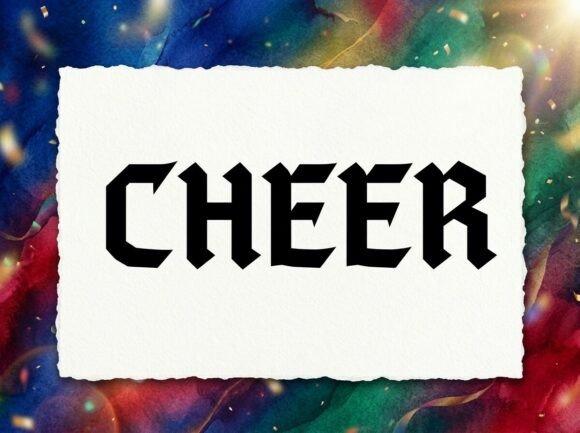
Cheer stands out with its sharp, high-contrast letterforms that feature rhythmic, chiseled terminals and a dense structural weight. These characteristics give the font a distinctive personality—both stately and spirited. Unlike many fonts that lean too heavily on either tradition or trendiness, Cheer manages to balance both elements seamlessly, creating a typeface that feels simultaneously classic and current.
The design of Cheer is rooted in the ornate beauty of gothic blackletter but has been refined for clarity and impact in digital formats. It’s perfect for projects where you want to evoke a sense of festivity, strength, or timelessness without compromising legibility or aesthetic appeal.
Challenges in Choosing the Right Font
Many designers and business owners face common challenges when selecting a font. These include:
- Finding a typeface that matches the brand’s tone and purpose.
- Ensuring readability across different platforms and sizes.
- Avoiding overused or generic fonts that fail to stand out.
- Balancing visual impact with appropriateness for the target audience.
In the world of branding, especially within niche markets like craft breweries, holiday markets, and event promotions, the right font can be the difference between blending in and standing out. Generic sans-serif or overly decorative scripts often fall short in conveying the specific mood or heritage needed for these industries.
Why Cheer Is the Solution
Cheer addresses these challenges by offering a unique blend of formality and festivity. Its strong structure and dramatic contrasts lend it a commanding presence, while the chiseled details suggest craftsmanship and celebration. This duality makes it suitable for a wide range of applications, from logos to signage, where a traditional yet eye-catching look is essential.
For independent brands, especially those in the beverage or event sectors, Cheer can help establish a memorable visual identity that resonates with customers. Its ability to convey both history and energy allows it to serve as a powerful tool in storytelling and customer engagement.
Practical Applications of Cheer
Here are some of the most effective ways to use Cheer in your designs:
- Independent Craft Brewery Identities: The font’s bold and gothic nature aligns perfectly with the artisanal, handcrafted ethos of many small breweries. Whether used for labels, taproom signage, or promotional materials, Cheer brings a sense of character and authenticity.
- Boutique Holiday Market Logos: Cheer’s festive spirit makes it a natural fit for seasonal branding. Its density and contrast create a warm, inviting feel that draws attention during the holiday season without feeling overdone or garish.
- Seasonal Event Signage: From winter festivals to summer fairs, Cheer can add a touch of grandeur to event posters and banners. Its high-impact visuals ensure that messages are read at a glance, even from a distance.
- Social Media Headers: In a digital space filled with minimalist and clean designs, Cheer helps your content pop. It’s particularly useful for headers, titles, and announcements where you want to grab attention quickly and leave a lasting impression.
How Different Users Can Leverage Cheer
Depending on the user’s needs and creative goals, Cheer can be approached in various ways:
- Graphic Designers: Incorporate Cheer into client projects that require a gothic or vintage aesthetic. Use it sparingly to highlight key phrases or headlines, ensuring it doesn’t overwhelm more delicate supporting text.
- Small Business Owners: If you're launching a new seasonal product line or rebranding an existing one, Cheer can help communicate a sense of tradition and excitement. Consider using it for packaging, menus, or event invitations.
- Event Planners: When designing promotional materials for events such as weddings, galas, or themed parties, Cheer can set the tone. Pair it with softer, more readable fonts to maintain balance and enhance overall visual harmony.
- Content Creators: On social media platforms, Cheer can elevate the look of your posts. It works especially well for Instagram stories, Facebook cover photos, and Twitter headers where visual impact is key.
Recommendations for Effective Use
To get the most out of Cheer, consider the following tips:
- Use it for Short Text: Because of its intricate details, Cheer is best suited for short bursts of text such as headings, taglines, or quotes. Avoid using it for long paragraphs or body copy.
- Pair with Simpler Fonts: To maintain readability and avoid visual fatigue, pair Cheer with a clean, sans-serif font for secondary information. This combination ensures your message remains clear while still benefiting from the boldness of Cheer.
- Experiment with Color: Cheer’s high contrast works beautifully with dark backgrounds and bright colors. Try pairing deep reds, golds, or blacks with white or cream-colored text to enhance its festive and formidable qualities.
- Consider Context: While Cheer is versatile, it may not be appropriate for all situations. It shines in contexts that celebrate heritage, craftsmanship, or special occasions, so choose projects that align with these themes.
Real-World Outcomes with Cheer
When implemented correctly, Cheer can lead to tangible outcomes such as:
- Increased Brand Recognition: The font’s distinct look helps your brand become more memorable, especially in competitive markets like craft beer or holiday retail.
- Enhanced Visual Storytelling: Cheer adds depth and character to your messaging, helping you tell a story that connects emotionally with your audience.
- Greater Engagement: On digital platforms, the use of Cheer can spark curiosity and encourage users to engage further with your content, whether through likes, shares, or comments.
For example, a local brewery might use Cheer for their logo and seasonal label designs, instantly giving them a signature look that feels both authentic and exciting. Similarly, a boutique selling handmade holiday gifts could use Cheer for store signage and packaging, drawing in customers with its inviting and rich typographic style.
Useful Considerations Before Using Cheer
Before integrating Cheer into your project, keep the following in mind:
- Legibility: While Cheer is visually striking, its complexity means it may not be the best choice for very small text sizes or low-resolution displays.
- Font Licensing: Make sure you understand the licensing terms if you plan to use Cheer commercially. Some display fonts come with restrictions regarding usage on merchandise or web-based assets.
- Design Balance: Cheer should complement—not dominate—the rest of your design. Use it strategically to guide the viewer’s eye and emphasize important elements without overwhelming the layout.
- Target Audience: Consider whether your audience will respond positively to the font’s gothic influence. In some cases, a more modern or minimalist approach might be preferable; Cheer is best reserved for brands with a strong, traditional identity.
Final Thoughts on Cheer
In the ever-evolving world of design, finding a font that balances tradition with innovation is no easy task. Cheer rises to the challenge by offering a bold, gothic display typeface that’s both historically inspired and ready for modern branding. Whether you’re looking to create a festive atmosphere, build a strong brand identity, or simply make your next project stand out, Cheer provides a powerful solution.
By thoughtfully incorporating Cheer into your work, you can evoke the right emotions, capture attention, and communicate professionalism with a touch of celebration. As always, the key is to match the font to your message and audience, ensuring that every detail contributes to a cohesive and impactful design.