Highcrown: A Strategic Choice for Bold, Gothic Typography in Branding and Design
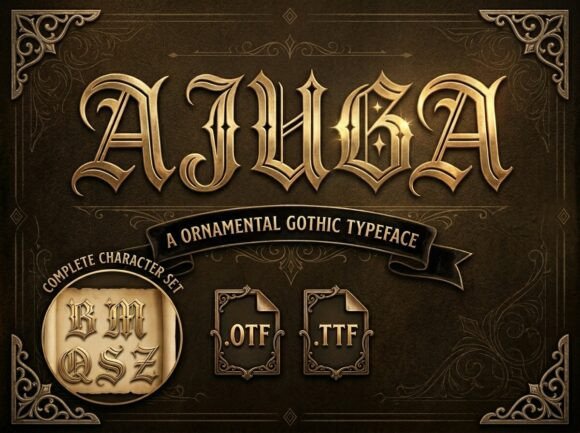
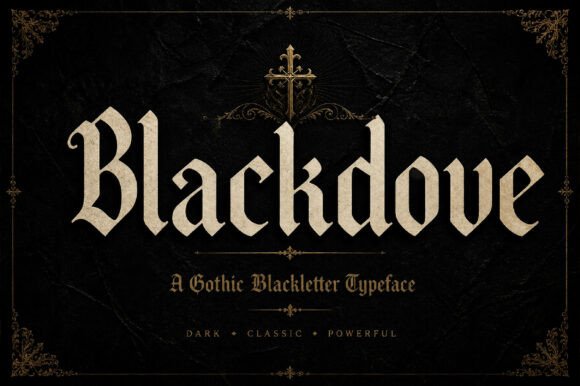
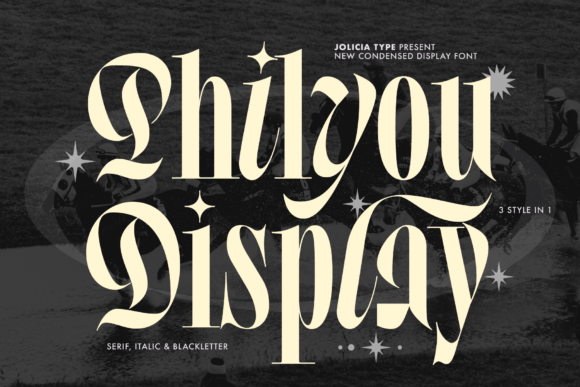
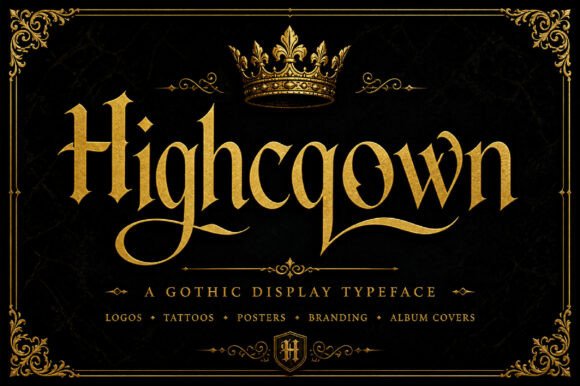
Typography is more than just a means to convey text—it’s a strategic tool that shapes perception, reinforces identity, and communicates values. When it comes to making a visual statement with depth and distinction, Highcrown stands out as a bold and elegant gothic display font. Designed with sharp edges, tall letterforms, and blackletter-inspired details, Highcrown delivers a strong, luxurious, and dramatic aesthetic. This makes it an ideal choice for professionals seeking to elevate their creative projects with a typographic presence that commands attention.
The Strategic Value of Highcrown in Modern Design
In the world of branding and graphic design, fonts play a pivotal role in how audiences interpret your message. Highcrown, with its fusion of classic gothic influence and modern display typography, offers a unique opportunity to craft a visual identity that feels both timeless and contemporary. The font’s decorative curves and regal personality are not just stylistic choices—they serve as deliberate tools to evoke elegance, mystery, and attitude in the viewer.
For entrepreneurs and marketers, selecting the right font can mean the difference between blending in and standing out. Highcrown is particularly useful when you want to communicate authority or exclusivity. Its structure lends itself well to high-impact visuals such as logos, posters, and album covers—contexts where a memorable typographic element is essential.
Use Cases That Benefit from Highcrown
- Logo Design: A logo is often the first point of contact between a brand and its audience. Highcrown can help create a strong, distinctive mark that resonates with sophistication and gravitas. Think luxury fashion houses or boutique wineries looking to establish a premium image.
- Event Graphics: Whether promoting a concert, art exhibition, or exclusive launch, Highcrown adds a layer of drama and allure that aligns with event-driven aesthetics.
- Premium Packaging: For products targeting discerning consumers, such as high-end skincare or artisanal foods, the use of Highcrown on labels or packaging can enhance perceived value.
- Social Media Visuals: In a space where attention spans are short, Highcrown helps make headlines and banners pop without relying on gimmicks. It’s especially effective in niches like lifestyle, fashion, or entertainment content.
- Tattoo Artwork: Artists who specialize in gothic or dark-themed tattoos will find Highcrown invaluable for creating intricate, visually rich designs that speak to the clientele they serve.
Aligning Highcrown with Brand Strategy and Communication Goals
Before integrating Highcrown into your design workflow, consider your communication goals. Is your brand aiming to project strength, luxury, or a sense of history? If so, this font may be a natural fit. However, it’s important to approach its use thoughtfully rather than randomly. Here are some strategic observations to guide your decision-making:
- Target Audience Alignment: Highcrown is best suited for mature audiences who appreciate refined, edgy aesthetics. Use it sparingly if your target demographic leans towards minimalism or youthful energy.
- Brand Positioning: This font supports brands that position themselves in niche markets—think alternative fashion, indie music, or curated lifestyle experiences. It can also reinforce a heritage narrative when used in conjunction with historical themes.
- Visual Hierarchy Considerations: Because of its dramatic nature, Highcrown should typically be reserved for headlines or titles. Pair it with a more subdued body font to maintain readability and balance.
A practical example might involve a boutique coffee roastery launching a line of limited-edition blends. By using Highcrown for the product name on each bag, they can evoke a sense of craftsmanship and exclusivity, while maintaining a clean sans-serif font for descriptions and pricing. This intentional contrast enhances the overall brand experience and ensures clarity remains intact.
Planning Tips for Intentional Font Integration
When planning your next design project, ask yourself these questions before choosing Highcrown:
- Does the tone of my project align with gothic or luxury themes?
- Am I using this font to support a specific brand narrative or emotional response?
- Will Highcrown work harmoniously with other design elements (colors, imagery, layout)?
- Is the context appropriate for a display font, or would something more functional be better?
Answering these questions upfront ensures that your use of Highcrown is intentional and contributes meaningfully to your overall design strategy. It prevents the common pitfall of overusing a striking font in places where it doesn’t add value, which can dilute your message and confuse your audience.
Risks of Using Highcrown Without Clear Context
While Highcrown has undeniable visual appeal, it’s not universally applicable. Using it without clear goals or context can lead to miscommunication or a jarring user experience. For instance, applying it to a website’s body copy could reduce legibility and frustrate readers. Similarly, pairing it with overly busy backgrounds might obscure its fine details, diminishing its impact.
Another risk lies in cultural misalignment. Gothic fonts have roots in medieval script and can carry associations with darkness, mysticism, or tradition. If your brand doesn’t consciously embrace these themes, the font might inadvertently clash with your intended tone. Always ensure that your typographic choices reflect your brand’s voice and resonate with your audience’s expectations.
Long-Term Benefits of Thoughtful Typographic Choices
Font selection isn’t just about aesthetics—it’s about consistency and long-term brand equity. Highcrown, when used correctly, can become a signature element of your brand’s visual language. Over time, this builds recognition and trust. For creators and small business owners, developing a cohesive look across all touchpoints—from print materials to digital assets—is crucial for establishing a professional image.
Consider the case of a musician launching a new EP. By using Highcrown consistently across the album cover, promotional posters, and social media headers, they can create a unified visual theme that reflects their artistic persona. This kind of consistency helps build a stronger connection with fans and differentiates the artist from competitors.
How to Approach Highcrown Creatively and Professionally
To harness the full potential of Highcrown, start by defining the purpose of your design. Are you trying to create intrigue, emphasize quality, or simply stand out? Once you’ve established your objective, test Highcrown in various applications to see how it performs. Look at how it scales, how it interacts with color, and whether it complements the rest of your design elements.
Here are a few steps to follow:
- Define Your Typographic Needs: Identify where a display font like Highcrown can serve a functional purpose within your design hierarchy.
- Test Different Applications: Try it on logos, headlines, and even as a secondary accent in merchandise or packaging.
- Evaluate Readability and Legibility: Ensure the font remains clear and easy to read in the sizes and contexts you plan to use it.
- Balance with Other Fonts: Use Highcrown as a highlighter rather than a default font. Pair it with complementary styles to avoid overwhelming your audience.
By taking a measured and strategic approach, you can integrate Highcrown into your creative toolkit in a way that enhances your output without compromising usability or coherence.
Maximizing Impact Through Purposeful Typography
Highcrown thrives in environments where visual storytelling is key. Its ornate yet structured design allows it to communicate both refinement and rebellion—a duality that can be powerful when aligned with the right brand message. For educators or publishers crafting course materials or book covers in niche genres, Highcrown can help signal the tone and subject matter effectively.
However, it’s also worth noting that Highcrown requires thoughtful spacing and alignment. The complexity of its letterforms means that tighter kerning or inconsistent leading can disrupt the flow and diminish its effectiveness. Taking the time to adjust these typographic settings can significantly improve the final outcome.
Decision-Making Guidance for Creative Professionals
As a designer or marketer, your goal is to make decisions that enhance the overall effectiveness of your communication. When considering Highcrown, weigh its advantages against your project’s requirements:
- If your project needs a luxurious feel or a dramatic flair, Highcrown is likely a good candidate.
- If your focus is on clarity and accessibility, opt for a simpler typeface and reserve Highcrown for accents or special features.
- If you're building a long-term brand identity, consider how Highcrown fits into your broader visual system and whether it will age gracefully alongside your evolving brand.
Additionally, explore how Highcrown interacts with your brand’s existing assets. Does it pair well with your logo? Can it adapt to different platforms and formats? These considerations help ensure that your font choice supports—not hinders—your long-term creative and business objectives.
Realistic Use Cases for Maximum Effect
Let’s take a closer look at how Highcrown can be applied in real-world scenarios:
- Fashion Branding: A high-end clothing label uses Highcrown for taglines and brand names on runway invitations and lookbook covers. The font’s regal and mysterious vibe aligns perfectly with their avant-garde aesthetic.
- Merchandise Design: An independent record store incorporates Highcrown into vinyl sleeve designs and promotional t-shirts. The font becomes a recognizable part of their brand identity, reinforcing their commitment to vintage and alternative culture.
- Statement Headlines: A blog covering dark academia or gothic literature employs Highcrown for article titles. It immediately signals the tone of the content and creates a memorable reading experience.
These examples illustrate how Highcrown can be leveraged strategically to meet specific goals. In each case, the font serves a clear purpose and enhances the overall design intent.
Conclusion: Elevating Your Design with Deliberate Typography
In today’s competitive creative landscape, every detail matters—including typography. Highcrown offers a compelling option for those looking to inject a sense of grandeur and uniqueness into their projects. But its success hinges on how intentionally it’s used. By understanding the strategic implications of this font and aligning it with your brand’s vision and goals, you can turn typographic choices into impactful design decisions.
Remember, the most effective designs aren’t just visually appealing; they’re purposeful. So when you choose Highcrown, do so with clarity, context, and creativity in mind. Let it be a tool that elevates your message, not one that distracts from it.