Hudson: A Gothic Calligraphy Font with Timeless Elegance and Bold Impact
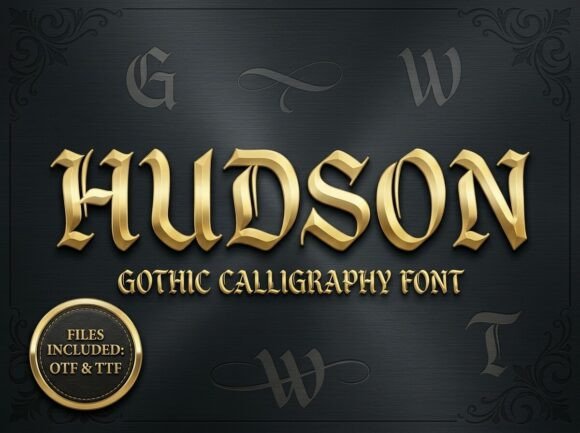
In the world of typography, some fonts stand out not just for their visual appeal but for the stories they tell. One such font is Hudson, a premier gothic calligraphy typeface that captures the essence of medieval tradition while embracing modern luxury. Designed to command attention, Hudson blends sharp architectural strokes with rhythmic verticality, making it a versatile choice across creative industries.
What Makes Hudson Unique?
Hudson belongs to the Blackletter family, a style historically associated with the ornate lettering of illuminated manuscripts and early European printing. However, this font takes those roots in a new direction by incorporating a high-contrast chisel-tip aesthetic and a dark-academia soul. The result is a design that feels both ancient and contemporary—perfect for anyone looking to evoke a sense of heritage or sophistication through their typography.
- Architectural Precision: Each stroke is meticulously crafted to reflect structural integrity, giving Hudson an imposing yet elegant presence.
- Rhythmic Verticality: The consistent vertical rhythm makes it highly readable even in large formats, ideal for headers and branding.
- Chisel-Tip Aesthetic: This adds texture and depth, reminiscent of hand-carved stone or metalwork, enhancing its tactile appeal.
Historical Roots and Modern Applications
The origins of Blackletter can be traced back to the Middle Ages when scribes used quills and ink to craft elaborate texts. Over time, the style evolved into a symbol of gravitas, often used in formal documents and religious manuscripts. Today, Hudson breathes new life into this legacy by adapting its structure for digital use without losing its historical charm.
Professionals across various fields have found Hudson particularly useful due to its ability to convey strength and character. It’s a go-to option for premium spirit branding, where the font needs to communicate exclusivity and quality. Independent tattoo studios also favor it for logos, as its bold, intricate lines align well with body art culture. Additionally, Hudson is frequently employed in heavy metal and hip-hop album covers, where its edgy yet refined look complements the genre's themes of power and rebellion.
Cinematic and Editorial Uses
Beyond music and branding, Hudson has carved a niche in cinematic editorial design. Its dramatic flair works exceptionally well in movie posters, book covers, and magazine headers. Whether you're designing a horror film poster or a dark fantasy novel, Hudson brings a level of gravitas that few other fonts can match.
Who Can Benefit from Using Hudson?
Hudson is more than just a stylish font; it's a tool that can elevate your message. Here are a few groups who might find it especially valuable:
- Brand Designers: Those working on high-end alcohol labels or luxury product packaging will appreciate how Hudson conveys prestige and authenticity.
- Graphic Artists: With its unique blend of old-world charm and modern edge, Hudson is perfect for creating eye-catching visuals in editorial or promotional work.
- Tattoo Studio Owners: A strong, memorable logo is essential in a competitive market, and Hudson offers the kind of visual impact that stands out.
- Musicians and Labels: For artists in genres like hip-hop, metal, or alternative rock, Hudson can help reinforce the mood and identity of their brand.
Why Hudson Appeals to Creators
Many creators choose Hudson because it allows them to express a specific tone or narrative. Its dark-academia undertones make it ideal for projects rooted in mystery, history, or intellectualism. At the same time, its modern adaptability ensures it doesn't feel outdated. This balance between tradition and innovation is what sets Hudson apart from other Blackletter fonts.
Evaluating Hudson for Your Project
Before deciding to use Hudson, consider the following factors to determine if it aligns with your project’s goals:
- Tone and Message: Does your content benefit from a serious, powerful, or mysterious vibe? If so, Hudson could be a great fit.
- Readability: While Hudson is visually striking, its complexity may not suit long paragraphs. It shines brightest in short text applications like headlines or logos.
- Target Audience: Will your audience respond positively to its traditional aesthetic or see it as too niche? Understanding your demographic is key.
- Platform Compatibility: Ensure that Hudson works well across different platforms and devices, especially if you're using it in web or mobile design.
Practical Expectations When Using Hudson
Like any specialized font, Hudson comes with certain expectations. It requires careful spacing and alignment to maintain legibility. Also, since it’s a decorative font, it should be used sparingly to avoid overwhelming the viewer. Pairing it with simpler, sans-serif or serif fonts can create a balanced composition that highlights its beauty without sacrificing clarity.
For best results, test Hudson in real-world scenarios before finalizing your design. Try it on mockups of product packaging, website headers, or social media posts to see how it performs under different conditions. This step can help you gauge whether it truly enhances your project or distracts from it.
Real-World Examples of Hudson in Action
Let’s explore a few examples of how Hudson has been successfully used in various contexts:
- Premium Spirit Branding: A whiskey label uses Hudson to highlight its name, instantly conveying a sense of age, craftsmanship, and luxury.
- Tattoo Studio Logo: An independent studio incorporates Hudson into its emblem, giving it a bold, artistic edge that resonates with clients.
- Album Cover Art: A hip-hop artist selects Hudson for the title of their latest release, reinforcing the thematic weight and cultural richness of their music.
- Film Poster Design: A director chooses Hudson for the title of their noir-inspired indie film, capturing the shadowy, intense atmosphere of the story.
How to Source and Use Hudson
If you're interested in using Hudson for your next project, start by checking licensed font providers such as Adobe Fonts, Google Fonts, or Monotype. These platforms offer access to professional-grade versions of the font, ensuring you get the highest quality for commercial use.
Once you’ve obtained Hudson, experiment with different weights and sizes to discover what works best for your design. Remember, the font’s beauty lies in its details, so pay close attention to kerning and leading to ensure each character sits perfectly in relation to the others.
Strengths and Considerations
Hudson’s greatest strengths lie in its visual dominance and emotional resonance. It commands attention, which is why it's often used in marketing materials where first impressions matter most. However, there are limitations to keep in mind:
- Not Ideal for Long Text: Its intricate design makes it unsuitable for extended passages of text.
- May Be Too Formal: Depending on the context, Hudson could come off as overly serious or inaccessible.
- Requires High-Quality Display: To showcase its fine details, Hudson should be used in high-resolution formats.
Despite these considerations, Hudson remains a popular choice among professionals who understand how to harness its potential. When used correctly, it can transform a simple design into something unforgettable.
A Font with a Soul
There’s an intangible quality to Hudson that goes beyond aesthetics—it carries a soul. This is perhaps best described as its “dark-academia” vibe, a term that encapsulates the moody elegance and intellectual allure of the font. It’s not just about how it looks, but how it makes people feel. That emotional connection is what makes Hudson so effective in storytelling-driven designs.
Final Thoughts on Hudson
Hudson is more than a font; it’s a bridge between centuries. Whether you’re crafting a logo for a boutique brand or designing a cover for a dark-themed publication, Hudson offers a compelling way to communicate heritage, power, and sophistication. As with any typographic choice, success depends on thoughtful application and understanding the role the font plays within the overall design.
By choosing Hudson, you’re not just selecting a typeface—you're embracing a legacy of craftsmanship and creativity. So take the time to evaluate its suitability for your needs, and don’t hesitate to let its historical power speak for itself in your next project.