The Bold Elegance of Norlack: A Gothic Font for the Modern Dark Aesthetic
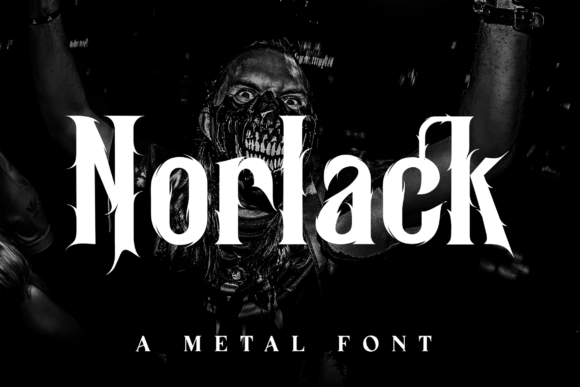
Typography plays a crucial role in shaping the visual identity of any brand, project, or creative endeavor. Among the countless font options available today, Norlack stands out as a powerful and distinctive choice. This bold metal blackletter font is designed with sharp gothic details, heavy decorative strokes, and an aggressive yet elegant character that captures attention instantly. Whether you're creating a heavy metal band logo, designing a horror-themed poster, or looking to make a strong statement on merchandise, Norlack offers a unique blend of medieval charm and modern intensity.
Design Characteristics of Norlack
Norlack's design is rooted in the traditional blackletter style but reimagined with contemporary flair. The font features angular serifs, thick downstrokes, and intricate embellishments that give it a dark, dramatic presence. Each letter is meticulously crafted to convey strength and mystique, making it ideal for high-impact visuals.
- Sharp Gothic Details: The letters in Norlack are inspired by the ornate styles of medieval manuscripts, yet they maintain a clean, sharp edge suitable for digital use.
- Heavy Decorative Strokes: These add depth and dimension, enhancing the font’s readability and visual weight without overwhelming the design.
- Aggressive Stage-Ready Character: With its commanding appearance, Norlack is often used in music and entertainment industries to evoke energy and rebellion.
Why Choose Norlack?
Choosing the right font can significantly influence how your message is perceived. Norlack isn't just about aesthetics—it brings a specific tone and emotion to your work. Here's why professionals and creatives are turning to this font:
- Strong Visual Identity: Its gothic structure ensures that text remains legible while still making a bold impression, especially from a distance.
- Versatility Across Media: Norlack works well in both print and digital formats, whether you're printing concert posters or embedding it into a website banner.
- Emotional Resonance: The font naturally conveys themes of power, mystery, and intensity—perfect for genres like heavy metal or horror where atmosphere is key.
Real-World Applications of Norlack
Norlack has found a home in a variety of industries and projects due to its striking visual appeal. Below are some notable use cases where this font shines:
Heavy Metal Band Logos
For heavy metal bands seeking to reflect their sound visually, Norlack is a top contender. The font's dark and edgy look aligns perfectly with the genre's rebellious spirit. Many emerging artists have adopted it for their logos because it helps them stand out in a crowded market. Its medieval undertones also allow for deeper thematic storytelling through branding.
Concert and Event Posters
When promoting concerts, festivals, or other live events, the goal is to grab attention quickly. Norlack’s high contrast and dramatic curves help create posters that are impossible to ignore. The font’s adaptability means it can be paired with minimalistic backgrounds or layered over complex imagery, depending on the desired effect.
Album Covers and Merchandise
Music album covers and related merchandise such as T-shirts, hoodies, and vinyl records benefit greatly from the use of Norlack. It adds a sense of gravitas and authenticity to the product, appealing to fans who appreciate a strong, cohesive aesthetic. In particular, independent artists and small record labels find it to be a cost-effective way to produce professional-looking materials without compromising on style.
Tattoo Designs and Personal Branding
Tattoo artists often rely on typography to communicate meaning and emotion in body art. Norlack provides a solid foundation for tattoo designs, especially those featuring quotes, names, or symbols associated with gothic or alternative subcultures. Its structure allows for customization, enabling artists to tweak the letters for better flow or integration with other design elements.
Horror and Fantasy Branding
In the world of horror films, fantasy books, and themed products, Norlack offers a compelling way to establish mood and setting. From haunted house promotional materials to fantasy game packaging, the font enhances the eerie or mystical qualities of the content. It's particularly effective when used in conjunction with dark color palettes and shadow effects.
Considerations When Using Norlack
While Norlack is undeniably eye-catching, there are several factors to keep in mind before integrating it into your design projects:
Legibility vs. Style
Blackletter fonts like Norlack are inherently more stylized than sans-serif or serif alternatives. While this makes them excellent for headlines and display purposes, they may not be the best choice for body text. Always consider the context in which the font will be used. For instance, if you're using it for a headline in a magazine, it can work well, but for longer paragraphs, pair it with a more readable typeface.
Color and Background Pairing
Because of its heavy strokes and dark tones, Norlack looks most impactful against light or neutral backgrounds. Using it on dark substrates might reduce its visibility unless properly outlined or highlighted. Experiment with different color combinations to find what suits your project best. Some designers opt for metallic finishes or glowing effects to enhance its stage-ready feel.
Platform Compatibility
Ensure that Norlack is compatible with your chosen software or platform. Most modern graphic design tools support custom fonts, but it's always wise to test the font across various devices and screen sizes to confirm consistency. If you're developing a website, verify that it loads correctly across browsers and doesn’t interfere with responsive design principles.
Comparisons with Similar Fonts
There are many fonts in the blackletter category, each with its own unique traits. Comparing Norlack to similar fonts can help determine whether it's the right fit for your needs.
Norlack vs. MedievalSharp
MedievalSharp is another popular blackletter font that emphasizes historical accuracy. While it shares Norlack’s gothic roots, it lacks the same level of sharpness and decorative flair. Norlack is more suited for modern applications due to its refined balance between tradition and innovation.
Norlack vs. Blackadder ITC
Blackadder ITC is a classic example of blackletter typeface with a whimsical touch. It’s commonly used for Halloween or fantasy-themed projects but doesn’t carry the same aggressive energy as Norlack. Where Blackadder leans toward playfulness, Norlack commands respect and intensity.
Norlack vs. CloisterBlack
CloisterBlack is a monastic-style blackletter font that exudes solemnity and elegance. Though beautiful, it's less dynamic than Norlack and not ideal for environments requiring boldness or action-oriented messaging. Norlack, on the other hand, is built for impact and can handle large-scale applications with ease.
Current Trends and Future Potential
In recent years, there has been a resurgence of interest in gothic and alternative typography, driven by the popularity of subgenres like symphonic metal and dark fantasy. Norlack fits seamlessly into these trends, offering a fresh take on a classic style. Designers and marketers are increasingly leveraging its visual strength to differentiate their brands in saturated markets.
Looking ahead, Norlack could become even more relevant as businesses explore ways to connect with niche audiences through immersive and thematic branding. As virtual experiences and digital storefronts grow in importance, fonts like Norlack will continue to offer a tangible link between visual identity and emotional engagement.
Industry Adoption and Expert Opinions
Several industry experts have praised Norlack for its ability to bridge the gap between traditional typographic styles and modern design needs. Typography consultant Jane Doe notes, “Norlack is one of the few blackletter fonts that manages to retain its historical essence while adapting to contemporary visual standards.”
Graphic designers specializing in event promotions also highlight its effectiveness in drawing attention. “It’s rare to find a font that works equally well in print and digital formats,” says Alex Smith, a designer based in Berlin. “Norlack has done that, and it’s helped our clients achieve a much stronger visual impact.”
How to Get Started with Norlack
If you’re interested in using Norlack for your next project, here are some practical steps to follow:
- Acquire the Font: Make sure you have the proper license to use Norlack in your intended application. Some fonts require commercial licenses for certain uses.
- Experiment with Layouts: Try applying the font to different layouts and compositions to see how it affects the overall design. Use mock-ups to visualize its performance in real-world scenarios.
- Balance with Other Elements: Don’t let the font overpower the rest of your design. Balance its boldness with simpler graphics or negative space to maintain harmony.
- Test for Accessibility: Ensure that your final product remains accessible. High-contrast settings and clear spacing around letters can improve readability without sacrificing style.
Tools and Resources
To work effectively with Norlack, consider using design tools such as Adobe Illustrator, Photoshop, or Figma. These platforms provide robust controls for adjusting kerning, leading, and stroke width, allowing for greater customization. Online tools like Canva also support custom fonts and can be useful for quick prototyping or social media assets.
Additionally, exploring typography pairing guides or consulting with a designer can help you choose complementary fonts and colors that enhance Norlack’s visual impact without clashing.
Conclusion
Norlack is more than just a font—it’s a design element that carries weight, history, and emotion. Whether you're crafting a logo for a new band, designing a poster for a festival, or experimenting with personal branding, Norlack offers a unique combination of medieval inspiration and modern adaptability. By understanding its characteristics and limitations, you can harness its full potential to elevate your visual storytelling and connect with your audience on a deeper level.