Bersa Serif: A Refined Typeface for Bold and Sophisticated Designs
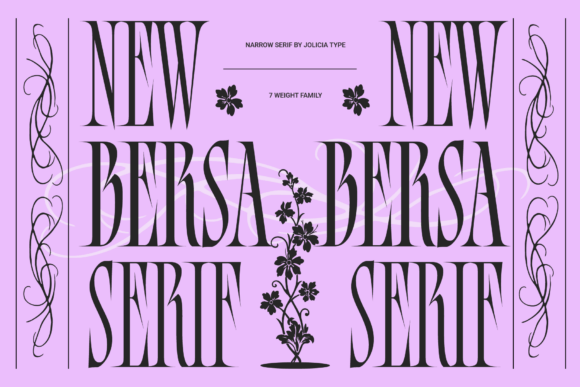
Typography plays a crucial role in design, influencing everything from readability to brand perception. Among the many fonts available today, Bersa Serif stands out as a versatile and elegant choice that bridges the gap between classic calligraphy and modern minimalism. Its unique blend of sharp, pointed terminals and subtle blackletter pen strokes gives it a distinctive character, while its slim and condensed proportions maximize space efficiency without sacrificing visual impact. Whether you're designing a luxury fragrance label or crafting an editorial layout, Bersa Serif offers the tools you need to make a strong impression.
What Makes Bersa Serif Unique?
Bersa Serif is more than just another serif font. It’s a carefully crafted typeface with a narrow structure that allows it to fit seamlessly into tight spaces—perfect for headlines, logos, or even body text when used correctly. The font family includes seven weights, ranging from Thin to Bold, which means you can build rich typographic hierarchies within your designs. This variety also makes it easy to pair different weights together for contrast, helping you create layouts that are both dynamic and refined.
Its subtle blackletter influence adds a touch of personality and heritage, but it doesn’t overwhelm the design. Instead, it enhances the overall elegance, making Bersa Serif ideal for branding projects where a sense of sophistication is key. Think boutique wine labels, botanical illustrations, or high-end fashion posters—Bersa Serif brings a delicate yet powerful presence to these applications.
Common Mistakes When Choosing and Using Bersa Serif
While Bersa Serif is highly adaptable, there are several common pitfalls that users may encounter, especially if they’re new to typography. One of the most frequent mistakes is using the same weight throughout a project without considering how it affects hierarchy and visual balance. Because all seven weights are part of the same family, it's tempting to rely on one or two, but doing so limits the font's potential and can lead to a flat, unengaging design.
Another oversight is ignoring the font’s narrow structure. In some cases, designers attempt to use Bersa Serif in long paragraphs or dense body copy, only to find that it becomes difficult to read. Though the font is optimized for display purposes, it requires thoughtful application in longer texts to maintain clarity and avoid eye strain.
Some users also overlook the importance of pairing Bersa Serif with complementary fonts. While the heavier weights can stand alone as focal points, combining them with lighter variants like Hairline or UltraLight can enhance the visual rhythm and create a “vogue”-inspired aesthetic. However, this technique needs careful calibration to ensure harmony rather than chaos.
How These Mistakes Can Impact Your Design
Misusing Bersa Serif can affect multiple aspects of your work, including usability, efficiency, and brand perception. For example, if you use the Bold weight excessively, your design may appear aggressive or overwhelming, especially in print or web formats where subtlety is often key. On the other hand, using a thin variant in low-resolution environments (like small digital screens) can reduce legibility and diminish the premium feel the font is known for.
In branding scenarios, incorrect weight choices can send mixed messages. A fragrance label might lose its luxurious appeal if the text appears too heavy or harsh, while a poster for a botanical illustration could feel underwhelming if the font lacks strength and presence.
Practical Tips for Using Bersa Serif Effectively
To get the most out of Bersa Serif, consider the following strategies:
- Use appropriate weights for context: Reserve the Thin and Hairline weights for background elements or fine details, and use Medium or Bold for titles and headings where impact matters most.
- Balance contrast thoughtfully: Pairing a heavy weight with a hairline version can create striking contrasts, but ensure that the scale and spacing remain harmonious. Too much imbalance may distract from the message.
- Test legibility before finalizing: Always check how Bersa Serif looks at different sizes and resolutions. What reads well at 72pt on a screen might not be clear at 8pt in a printed catalog.
- Consider line spacing and letter spacing: Due to its narrow proportions, Bersa Serif benefits from slightly increased tracking and leading to prevent characters from appearing cramped.
Real-Life Examples and Better Approaches
Let’s say you’re designing a website for a high-end boutique. You might initially choose the Bold weight for all headers to emphasize the brand. But after testing, you notice that the headers look too intense and disrupt the site’s calm, luxurious tone. A better approach would be to use Bold for main navigation and UltraLight for subheadings or taglines, creating a layered, balanced look that reflects the brand’s sophistication.
In print media, such as a magazine cover, Bersa Serif can serve as the headline font, paired with a clean sans-serif for body text. The contrast between the two will highlight the title while ensuring the rest of the content remains easy to read. Avoid using Bersa Serif in smaller point sizes for body text unless necessary—its beauty lies in its display capabilities.
Things to Check Before Committing to Bersa Serif
Before incorporating Bersa Serif into your project, take a moment to evaluate a few important factors:
- Purpose and audience: Is the font suitable for the intended medium and demographic? Bersa Serif works best for adults who appreciate refined aesthetics and is less suited for children’s books or casual interfaces.
- License terms: Ensure you understand whether the font is free for commercial use or requires a purchase. Some versions may have limitations regarding redistribution or embedding in web projects.
- Language support: If your project involves multilingual content, confirm that Bersa Serif supports the required glyphs and diacritics. Not all condensed serif fonts include comprehensive language coverage.
- Color and background compatibility: Test the font against different colors and backgrounds. Its slim form and pointed features can sometimes clash with overly busy visuals, reducing effectiveness.
Comparing Bersa Serif with Similar Fonts
Many designers confuse Bersa Serif with other condensed serif fonts like Didot or Bodoni. While those fonts share a similar elegance, they lack the modern precision and flexibility that Bersa Serif provides. For instance, Didot has a more dramatic contrast and elongated serifs that may not suit every design style. Bersa Serif, by contrast, maintains a consistent structure across all weights, allowing for seamless integration into complex layouts.
If you're looking for something with a stronger blackletter influence, you might consider fonts like FF DIN Pro or Neutra Text—but remember that Bersa Serif already strikes a perfect balance between traditional craftsmanship and contemporary design sensibilities. Overlooking this nuance can lead to unnecessary comparisons and poor font choices.
Maximizing the Value of Bersa Serif
Investing time in understanding how to use Bersa Serif properly can significantly improve the quality of your work. Here are a few tips to help you maximize its value:
- Build a typographic system: Use the full range of weights to define a clear visual hierarchy. This helps guide the viewer’s attention and improves communication.
- Pair with simplicity: Match Bersa Serif with minimalist sans-serif companions to let the serif shine without competing for attention.
- Stay consistent: Once you've selected a primary weight, stick to it in similar contexts to maintain a cohesive design language.
- Experiment with size and scale: Use larger sizes for bold statements and smaller ones for subtle accents. This creates depth and interest in your composition.
When to Say No to Bersa Serif
Though versatile, Bersa Serif isn't a one-size-fits-all solution. It may not be the best option for:
- Long blocks of body text due to its condensed nature.
- Projects requiring extreme legibility in low-light conditions or very small sizes.
- Designs with a casual, playful, or futuristic theme where a serif font might feel out of place.
In such cases, consider alternative fonts that align better with the tone and requirements of your project. Remember, the goal is always to enhance communication—not hinder it.
Final Thoughts on Bersa Serif
Bersa Serif is a powerful tool for designers seeking to convey elegance, authority, and refinement. Its narrow, slim proportions and seven-weight system provide a unique combination of flexibility and visual strength. However, like any tool, it must be used wisely. Understanding its strengths and limitations ensures that your designs benefit from its boldness without falling into common traps.
Before committing to Bersa Serif, test it in real-world conditions and evaluate how it fits within your broader design strategy. By avoiding overuse, maintaining contrast, and respecting its display-oriented roots, you’ll unlock its full potential and elevate your creative output.