Simple Blackletter: Bridging Gothic Tradition and Modern Design
In the world of typography, fonts are more than just tools for displaying text—they are visual storytellers. Each typeface carries a unique character that can evoke emotions, set a tone, or even define a brand’s identity. One such font that has gained popularity in recent years is Simple Blackletter. This typeface offers a compelling blend of classic blackletter aesthetics with modern simplicity, making it an ideal choice for designers who want to honor traditional styles while maintaining readability and versatility.
What Is Simple Blackletter?
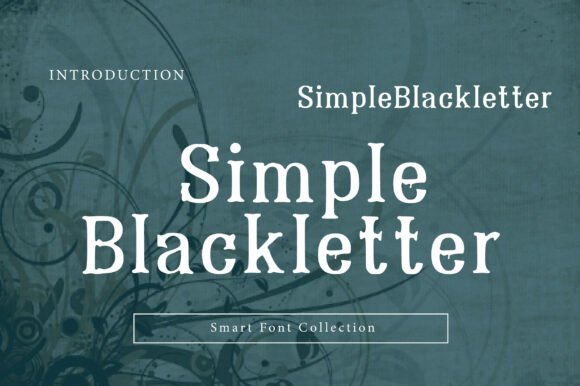
Simple Blackletter is a serif font inspired by the dramatic, angular forms of Gothic and Old English lettering. However, unlike many traditional blackletter fonts, which can be ornate and difficult to read at smaller sizes, this version strips away the excess. The result is a clean, structured design that retains the essence of its historical roots without feeling outdated or overly complex.
This font belongs to the “Smart Font Collection,” a curated set of typefaces designed to meet the needs of contemporary designers. Simple Blackletter functions as a bridge between traditional serifs and heavy blackletters, offering a middle ground that works well across a variety of media and contexts.
The Evolution of Blackletter Typography
To understand the significance of Simple Blackletter, it helps to look back at the history of blackletter itself. Originating in medieval Europe, blackletter—also known as Gothic script—was once the dominant writing style used in books and official documents. Its bold, angular strokes gave it a distinctive appearance that conveyed authority and gravitas.
Over time, however, the complexity of blackletter made it less practical for everyday use. With the rise of printing technology and the preference for legibility, simpler typefaces like Roman and later sans-serif fonts took over. Today, blackletter is often reserved for decorative purposes, such as in book titles, branding, and tattoos.
Simple Blackletter brings this rich heritage into the modern era. It preserves the iconic features of blackletter—such as the pointed serifs and high contrast between thick and thin strokes—while streamlining the design to enhance clarity and usability.
Purpose and Significance
The primary purpose of Simple Blackletter is to offer a modern interpretation of a historically significant typeface. It allows designers to incorporate the strength and elegance of blackletter without compromising on functionality. Whether you're creating a vintage-inspired poster or designing a sleek tech logo, this font adapts seamlessly to your vision.
Its significance lies in its ability to balance tradition and innovation. By simplifying the blackletter form, it becomes accessible to a wider audience and more versatile for digital applications. This makes it especially valuable in today’s fast-paced design landscape, where fonts must work across multiple platforms and screen sizes.
Why Choose Simple Blackletter?
- Readability: Unlike many blackletter fonts, Simple Blackletter is easy to read in both print and digital formats, even at smaller sizes.
- Versatility: It works well for a wide range of design projects, from fashion branding to editorial content.
- Sophisticated Aesthetic: The font exudes a refined, intellectual feel that adds depth to any project.
- High Contrast: Its sharp lines and clear structure make it stand out when paired with minimalist elements.
Applications in Modern Design
One of the strengths of Simple Blackletter is its adaptability. It fits naturally into a number of design disciplines, including:
Fashion Branding
Contemporary fashion brands often seek to convey a sense of heritage, luxury, or edginess through their typography. Simple Blackletter provides a strong visual anchor for these messages. Its bold yet readable nature makes it perfect for logos, labels, and promotional materials that aim to reference Gothic history but remain current and stylish.
For example, a leather goods company might use Simple Blackletter for its brand name to suggest durability and timeless craftsmanship. The font’s minimal ornamentation ensures it doesn’t overwhelm the overall design, allowing other elements—like product imagery or color schemes—to shine.
Editorial Design
In magazines, newspapers, and online publications, typography plays a crucial role in guiding the reader’s experience. While body text typically uses clean, neutral fonts, headlines and subtitles often benefit from bolder choices. Simple Blackletter can serve as an elegant option for these secondary typographic elements, especially in high-concept or themed issues.
Imagine a special edition of a lifestyle magazine focused on art and culture. Using Simple Blackletter for section headers or pull quotes could add a touch of sophistication and intrigue, drawing readers deeper into the content.
Minimalist Logos and Branding
Minimalism is a powerful trend in modern design, emphasizing simplicity and clarity. Yet, many minimalist logos still require a certain level of visual interest to stand out. Simple Blackletter delivers this with its striking, yet uncluttered form.
It’s particularly effective when combined with Swiss-style sans serifs, which are known for their geometric precision and neutrality. Together, they create a high-contrast layout that feels both modern and timeless.
Print Media and Packaging
Book covers, packaging, and label designs often rely on typography to capture attention and communicate the product's essence. Simple Blackletter is a great fit for these applications because it adds weight and character without becoming too busy.
A boutique coffee roaster might use the font for its logo or packaging to evoke a sense of artisanal quality and heritage. Similarly, a fantasy-themed book series could leverage the font’s gothic appeal to create immersive cover art that draws readers in.
Apparel and Tattoo Designs
Text-based apparel, such as t-shirts, jackets, and accessories, benefits from typography that is both expressive and legible. Simple Blackletter offers a bold, dramatic presence that works well for short phrases or names, especially in vintage or gothic fashion lines.
Tattoo artists also appreciate the font for its aesthetic strength. It allows for intricate designs that maintain readability, ensuring the message behind the tattoo remains clear and impactful.
How to Use Simple Blackletter Effectively
While Simple Blackletter is highly versatile, using it effectively requires thoughtful consideration of context and pairing. Here are some tips to help you get the most out of this font:
- Pair with Contrasting Fonts: As mentioned earlier, Simple Blackletter pairs beautifully with clean sans-serif fonts. This combination creates visual harmony and emphasizes the contrast between old and new.
- Use Sparingly: Because of its strong character, the font should be used selectively. Overusing it can lead to visual fatigue or reduce its impact.
- Optimize for Legibility: Ensure the font size is appropriate for its intended use. For digital screens, avoid using it in small sizes unless you’re confident in its legibility.
- Consider Color and Background: The font’s dark, bold strokes work best against light backgrounds. If using it on a dark background, adjust the stroke thickness or use outlines to maintain visibility.
- Test Across Platforms: Always preview how the font looks on different devices and in various formats (print vs. digital) before finalizing a design.
Common Misconceptions About Blackletter Fonts
There are several misconceptions about blackletter fonts that Simple Blackletter helps to dispel:
- Misconception 1: All blackletter fonts are hard to read. Reality: Simple Blackletter is designed with readability in mind, especially for display text.
- Misconception 2: Blackletter is only for gothic or horror themes. Reality: Though it has historical ties to medieval and gothic aesthetics, the font can be adapted to a wide range of styles, from luxury to modern minimalism.
- Misconception 3: Blackletter fonts are outdated. Reality: When simplified and reimagined, blackletter can be a fresh and relevant choice for contemporary design.
Simple Blackletter in Everyday Life
Beyond professional design, Simple Blackletter can play a role in personal creativity and expression. From DIY projects to custom invitations, the font offers a way to infuse traditional charm into modern creations.
For instance, someone designing a wedding invitation with a rustic or vintage theme might choose Simple Blackletter for the main title. It adds a touch of elegance and history without overwhelming the design.
Creative entrepreneurs, such as those selling handmade products online, can also benefit from using the font. It gives their branding a distinct personality that stands out in a crowded market.
Designing with Purpose
Typography is not just about choosing a pretty font—it’s about communicating clearly and effectively. Simple Blackletter supports this goal by providing a strong visual statement while remaining functional enough to be understood at a glance.
Whether you're working on a corporate identity or a personal project, the font encourages a thoughtful approach to design. It invites users to consider how their choice of typography affects the message being conveyed and the emotions being stirred.
Conclusion
Simple Blackletter is more than just a font; it’s a design tool that connects past and present. By taking inspiration from Gothic and Old English lettering and adapting it for modern use, it opens up new possibilities for creative expression. Its clean, readable form makes it suitable for everything from fashion branding to editorial layouts, proving that traditional styles can thrive in contemporary design.
As designers continue to explore the intersection of history and innovation, fonts like Simple Blackletter will remain essential. They remind us that the right typography can elevate a design, convey meaning, and leave a lasting impression—all while staying true to its roots.