Stencil Blackletter: Bridging Gothic Elegance and Urban Edge
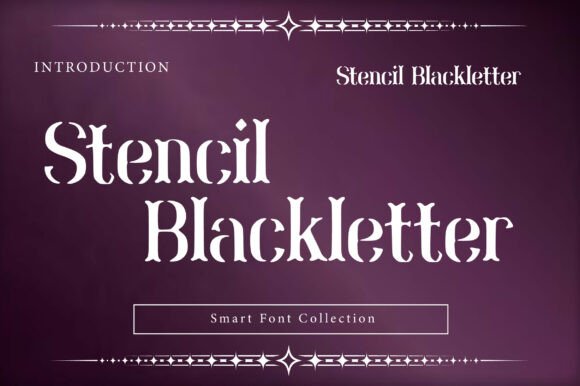
Fonts are more than just letters on a page—they're the visual heartbeat of design. In today’s fast-evolving creative landscape, typefaces must serve both aesthetic and functional needs while standing out in a crowded digital world. Enter Stencil Blackletter, a unique serif font that merges the ornate beauty of traditional gothic lettering with the raw, industrial breaks of modern stencil typography. This bold evolution of Blackletter is not only visually striking but also highly adaptable for a wide range of applications—from streetwear branding to editorial design.
The Evolution of Stencil Blackletter
Blackletter fonts, also known as Gothic or Old English scripts, have long been associated with medieval manuscripts, formal documents, and high-impact typographic statements. However, their intricate details often make them impractical for modern uses like large-scale printing or screen readability. Stencil Blackletter addresses this by simplifying those ornate forms into clean, segmented shapes that retain the essence of the original style while adapting it for contemporary media.
This transformation reflects a broader trend in typography: the desire for historical authenticity paired with modern usability. As designers seek to create work that feels both rooted in tradition and relevant to current audiences, Stencil Blackletter offers a compelling solution. It’s not just about looking back—it’s about reinterpreting the past for new purposes.
Why Stencil Blackletter Is Relevant Today
In an era where personal expression and brand identity are paramount, typography plays a crucial role in communication. The Stencil Blackletter font has found its place in niches that value grit and gravitas, such as military-inspired fashion, urban culture, and edgy branding. Its ability to evoke a sense of authority and heritage makes it particularly appealing for projects aiming to communicate strength, legacy, or rebellion.
- Streetwear and Apparel: Many fashion brands now incorporate Stencil Blackletter in logos and labels for its rugged yet refined appearance.
- Editorial Design: Magazine covers and headlines use this font to command attention without sacrificing legibility.
- Marketing and Branding: Businesses targeting a niche audience—like those in the tattoo or music industries—find this font resonates with their core values.
A Fusion of Industrial Utility and Artistic Heritage
The key to Stencil Blackletter’s appeal lies in its dual nature. It preserves the angular, calligraphic flair of classic Blackletter while introducing clean, segmented lines that resemble stenciled spray paint or metal stamping. This duality makes it versatile enough to be used in both print and digital formats, while still maintaining a tactile, almost handmade quality.
Designers who use Stencil Blackletter often appreciate how it adds depth and character to otherwise minimalist compositions. The contrast between its historical roots and modern adaptability allows for a fresh take on old-world aesthetics. For instance, a vintage-style poster for a local band might gain a modern edge with Stencil Blackletter, making it feel both nostalgic and cutting-edge.
How Stencil Blackletter Fits Into Modern Creative Trends
Typography trends in recent years have leaned toward maximalism, nostalgia, and hybrid styles. Stencil Blackletter aligns perfectly with these shifts by offering a rich visual language that speaks to both the past and present. It’s especially popular among creatives who want to infuse their work with a sense of “urban heritage”—a term that captures the blend of old craftsmanship and new-school attitude.
As consumers grow tired of generic sans-serif fonts dominating screens and signage, there’s a renewed interest in distinctive, expressive typefaces. Stencil Blackletter meets this demand head-on, providing a strong visual anchor for any project that wants to stand apart from the crowd.
Practical Applications for Stencil Blackletter
If you’re considering Stencil Blackletter for your next design, here are some realistic use cases and tips to get the most out of it:
- Logos and Branding: Use Stencil Blackletter to create a logo that feels both timeless and tough. Pair it with a grunge texture or metallic finish for added impact.
- Posters and Packaging: Its bold structure works well in high-contrast environments. Think Halloween-themed product packaging or concert posters with a punk-rock twist.
- Apparel Labels and Tags: The font’s clean stencil cuts are ideal for embroidered patches or printed tags on jackets, t-shirts, and hats. It brings a sense of durability and identity to the piece.
- Band Artwork and Album Covers: Musicians in genres like rock, punk, or metal often look for fonts that convey intensity. Stencil Blackletter delivers exactly that.
- Editorial Headlines: Whether you’re designing a magazine cover or a news headline, this font can cut through the noise with its commanding presence.
Stencil Blackletter vs. Traditional Blackletter Fonts
Traditional Blackletter fonts are beautiful but often too complex for practical use. They require careful spacing and can be difficult to read at smaller sizes. Stencil Blackletter, however, strips away unnecessary flourishes and replaces them with sharp, geometric breaks that enhance clarity without losing character.
This makes it particularly suitable for environments where visibility matters. A graffiti-style mural using Stencil Blackletter will be easier to decipher from a distance compared to its ornate predecessors. Similarly, when applied to a website header or mobile app icon, it maintains its impact across various resolutions and devices.
Design Tips for Using Stencil Blackletter Effectively
To ensure your use of Stencil Blackletter is effective and impactful, consider the following best practices:
- Pair with Simpler Fonts: Since Stencil Blackletter is bold and attention-grabbing, balance it with a more neutral typeface for body text or supporting content.
- Use Contrast Wisely: Play up the stencil effect by placing the font over textured backgrounds or using drop shadows to simulate spray-paint depth.
- Limit Usage: Reserve Stencil Blackletter for headlines, titles, or short phrases. Overusing it can overwhelm the viewer and reduce overall readability.
- Experiment with Color: While black and white are classic choices, don’t hesitate to try deep reds, metallic silvers, or even green tones to match specific themes or moods.
Why Creators Are Turning to Stencil Blackletter
Today’s creators—whether they’re graphic designers, bloggers, or entrepreneurs—are constantly seeking tools that help them differentiate their work. Stencil Blackletter provides a way to do just that. Its unique blend of history and modernity gives it broad appeal across industries and platforms.
For example, a small business owner launching a line of leather goods might choose Stencil Blackletter for their logo because it conveys both craftsmanship and a rebellious spirit. Educators or marketers working on themed campaigns (such as medieval fantasy or retro gaming) can similarly benefit from its evocative qualities.
Real-World Examples of Stencil Blackletter
Let’s look at a few real-life scenarios where Stencil Blackletter shines:
- A streetwear label uses Stencil Blackletter on a jacket patch to evoke a military aesthetic. The font’s structured breaks give the impression of being stamped or etched onto the fabric.
- An independent music festival incorporates the font into their promotional materials. The result? A cohesive, gritty look that stands out in social media feeds and print ads alike.
- A coffee shop with a dark, industrial theme chooses Stencil Blackletter for their menu headers. It complements their decor and reinforces the brand’s moody, artisanal vibe.
Adapting Stencil Blackletter to Your Workflow
One of the advantages of Stencil Blackletter is its compatibility with modern design software and workflows. Whether you’re using Adobe Illustrator, Photoshop, or online tools like Canva, this font integrates smoothly and maintains its integrity across different file types.
Additionally, many versions of Stencil Blackletter come with support for multiple languages and special characters, which is essential for global branding or multilingual content. When exporting designs, always check the font rendering on both desktop and mobile to ensure it remains sharp and legible.
Where to Find and Use Stencil Blackletter
If you’re interested in incorporating Stencil Blackletter into your own projects, start by searching for it on trusted font marketplaces like Adobe Fonts, Google Fonts, or FontBundles. These platforms often offer licensing options tailored to individual or commercial use.
Once you’ve acquired the font, experiment with different weights and variations if available. Some versions may include subtle differences that allow for greater flexibility in your designs. Always preview it in context before finalizing layouts to ensure it aligns with your project’s tone and purpose.
Conclusion
Stencil Blackletter represents a thoughtful evolution in type design—one that respects the past while embracing the future. By combining the elegance of Blackletter with the simplicity of stencil typography, it offers a powerful tool for anyone looking to add character and strength to their visual projects.
Whether you’re crafting a brand identity, designing a poster, or building a website, consider how Stencil Blackletter could elevate your message. Its relevance is growing, and for good reason: it delivers a bold, readable, and historically inspired option that stands out in today’s competitive design space.