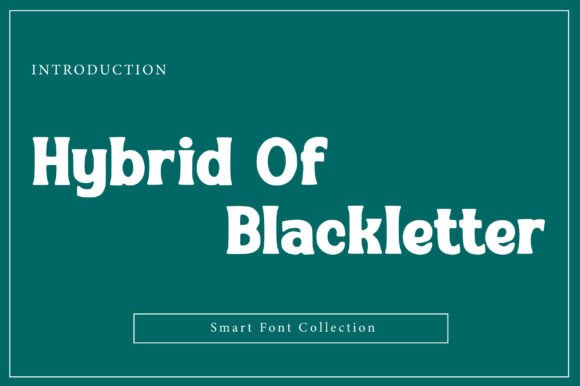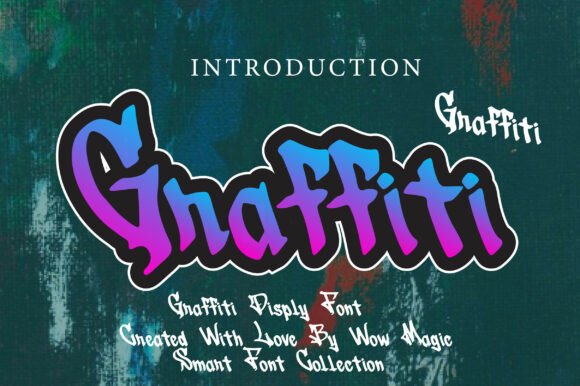
Graffiti Font: Merging Gothic Elegance with Urban Edge in Typography
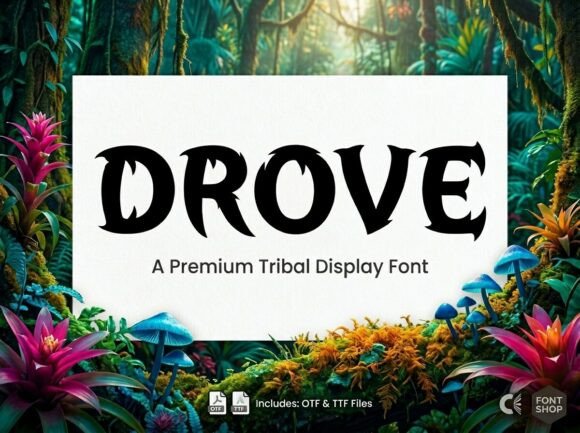
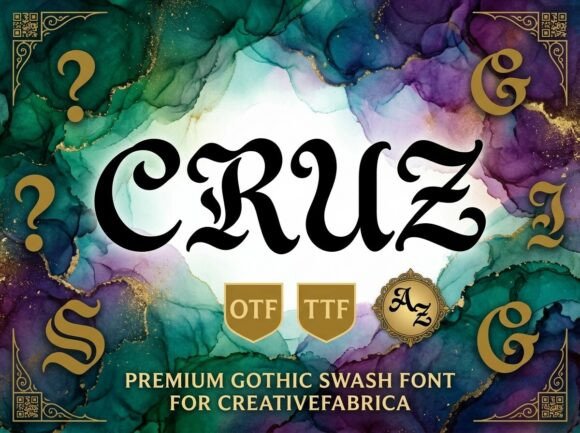
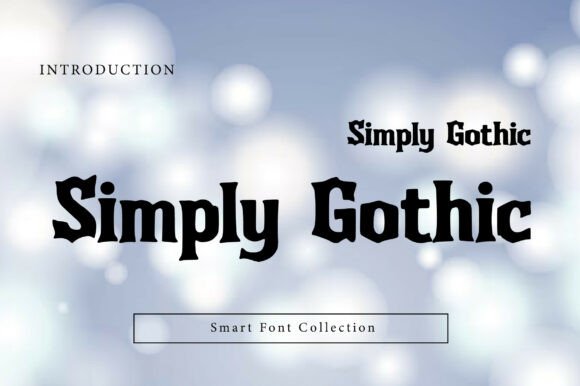
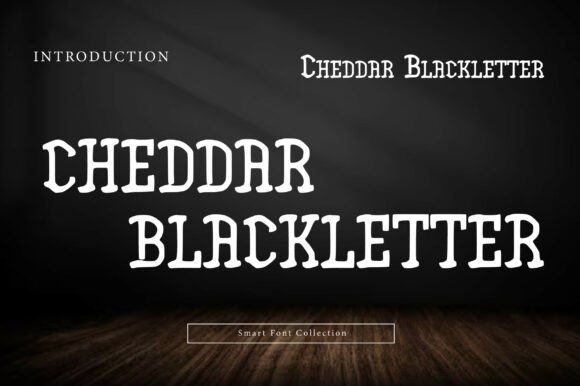
Graffiti is a typeface that stands at the intersection of tradition and rebellion. Inspired by bold blackletter styles yet infused with the raw energy of street culture, this font captures the essence of urban expression through its sharp angles, dramatic strokes, and expressive curves. It’s not just another decorative typeface—it’s a design tool that bridges the gap between historical lettering and contemporary street art aesthetics.
What Makes Graffiti Unique?
The distinctiveness of Graffiti lies in its dual heritage. On one hand, it channels the gothic blackletter forms that date back centuries, often associated with medieval manuscripts and formal typography. On the other hand, it embraces the unpolished, aggressive style typical of graffiti and street fonts. This combination creates a look that feels both vintage and underground, appealing to designers who want to convey a sense of grit while maintaining typographic sophistication.
Each character in Graffiti is crafted with attention to detail—think exaggerated serifs, angular ascenders, and deep, contrasting strokes. These features contribute to its strong visual presence, making it stand out in applications where impact is key. The font doesn’t shy away from imperfections; instead, it uses them to enhance its authenticity and edgy appeal.
Key Design Features
- Sharp Angles: The geometric precision of the characters gives the font a modern edge while nodding to traditional gothic letterforms.
- Dramatic Strokes: High contrast between thick and thin lines adds depth and intensity to each letter.
- Expressive Curves: Rounded elements are used strategically to soften the structure and add movement, mimicking the fluidity of real-world graffiti.
- Edgy Construction: Imperfections such as uneven line weights and slight asymmetry reflect the spontaneous nature of street art.
Best Use Cases for Graffiti
Graffiti isn't a one-size-fits-all font, but it shines in specific creative contexts where attitude and authenticity are essential. Here are some of the most suitable applications:
Streetwear Branding
In the world of streetwear, typography plays a crucial role in defining brand identity. Graffiti offers a visual language that resonates with youth culture, skateboarding, and hip-hop communities. Its bold appearance makes it ideal for clothing labels, tags, and promotional materials where a rebellious tone is desired.
Tattoo-Inspired Designs
Tattoos often use stylized fonts to communicate meaning or aesthetic. Graffiti provides a balance between readability and artistic flair, allowing it to function well in tattoo designs without sacrificing legibility. Its gothic roots also align with the dark, personal nature of many body art pieces.
Music Album Covers and Posters
For alternative music genres like punk, metal, and hip-hop, album covers and posters need to make a statement. Graffiti’s raw energy and vintage feel can complement these genres perfectly. When paired with imagery or minimal layout, the font can dominate the composition while still feeling cohesive and intentional.
Logo Design
Logos using Graffiti benefit from its memorability and strong visual weight. It works particularly well for brands targeting urban audiences or those wanting to project an image of defiance and originality. However, due to its complexity, it's best suited for logos that don’t require small text or high amounts of copy.
How Graffiti Compares to Other Typefaces
To understand when Graffiti is the right choice, it helps to compare it with similar options across different categories:
Traditional Gothic vs. Modern Street Fonts
Traditional gothic fonts, such as Texturina or Fraktur, are rooted in formal typography. They emphasize symmetry and consistency, often used in academic or religious settings. In contrast, Graffiti sacrifices some of that uniformity for a more dynamic and unpredictable look. While it retains the heavy strokes and angular forms characteristic of blackletter, it introduces variations that mimic the spontaneity of spray-painted lettering.
If you’re looking for something that screams rebellion without losing the essence of classic calligraphy, Graffiti is a better fit than most modern street fonts. Many digital graffiti typefaces lean too heavily into chaos, sometimes at the expense of readability. Graffiti walks the line, offering enough stylization to be impactful without becoming illegible.
Decorative vs. Display Fonts
Decorative fonts typically prioritize visual flair over practical use, while display fonts are designed for headlines and large-scale typography. Graffiti sits comfortably within the display category, though its expressive details give it a decorative edge. It can be used effectively in titles and headers but may struggle in smaller sizes or dense paragraphs due to its intricate construction.
When compared to fonts like Bebas Neue or Bangers, which are popular in street-inspired designs, Graffiti brings a level of craftsmanship that sets it apart. It’s not just about being loud; it’s about being seen with intention.
Strengths and Tradeoffs
Like any typeface, Graffiti has its strengths and limitations. Understanding these will help you determine if it fits your project:
Strengths
- High Visual Impact: Ideal for projects where the goal is to grab attention quickly.
- Urban Aesthetic: Offers a genuine street vibe that’s hard to replicate with other fonts.
- Vintage Influence: Combines historical lettering with modern graffiti, giving it a timeless quality.
- Flexibility in Context: Works well in branding, artwork, and multimedia projects that aim for a bold, alternative look.
Tradeoffs
- Readability Limitations: Due to its complex shapes and stylized details, Graffiti isn’t recommended for long blocks of text or fine print.
- Design Complexity: The font requires thoughtful spacing and alignment to avoid appearing cluttered or overwhelming.
- Not Versatile Across All Media: While excellent for posters and logos, it might not translate well to digital interfaces or minimalist design styles.
When to Choose Graffiti—and When to Consider Alternatives
Choosing the right font depends on the message you want to convey and the context in which it will be used. Graffiti is most appropriate when the following conditions apply:
- You're working on a logo or headline that needs to communicate strength and individuality.
- Your audience connects with urban culture, subgenres of music, or alternative lifestyles.
- Legibility is secondary to visual impact and emotional resonance.
- You have control over size and spacing, ensuring the font won’t become unreadable.
However, there are situations where Graffiti may not be the best option. For example, in editorial design, data visualization, or websites requiring clean navigation, simpler sans-serif or serif fonts would be more effective. Similarly, if your project needs to maintain a professional tone, a more structured display font could be preferable.
Practical Examples of Graffiti in Action
Imagine designing a poster for a local hip-hop event. Graffiti could serve as the title font, immediately setting the tone with its gritty, expressive style. Contrast it with a cleaner sans-serif for supporting text to ensure readability while still highlighting the main attraction.
Or consider a skateboard brand launching a new line inspired by city life. Using Graffiti for the product name and taglines would inject a sense of authenticity and rebellion, aligning with the brand’s identity and target demographic.
Another example is a tattoo studio promoting their services. Graffiti could be used in the header to evoke the mood of body art, especially when paired with images of inked skin or urban landscapes.
Alternatives to Explore Alongside Graffiti
While Graffiti is a compelling option, it’s worth considering alternatives depending on your needs:
- Sans-Serif Bold Fonts: For projects needing a strong but clean look, consider pairing Graffiti with a no-nonsense sans-serif like Montserrat or Raleway for secondary text.
- Minimalist Display Fonts: If you prefer a more refined approach to urban design, explore fonts that simplify graffiti elements while retaining attitude.
- Custom Lettering: For ultimate control and uniqueness, custom lettering inspired by Graffiti’s style might offer more tailored results, especially for logos or branding with specific color schemes or layouts.
Decision Factors When Evaluating Graffiti
Before finalizing Graffiti for your project, ask yourself the following questions:
- Does my design require a font with a strong, rebellious personality?
- Will the font remain legible in the chosen application and scale?
- Is there a need for additional stylistic variations (such as italics or alternate characters)?
- How does the font interact with the rest of the design elements? Will it overpower or blend harmoniously?
Answering these questions will guide you toward whether Graffiti enhances your message or detracts from it. Remember, even the boldest fonts must serve the purpose of the content they accompany.
Final Thoughts on Typographic Fit
Graffiti is more than just a font—it’s a statement. Whether you're crafting a logo for a new urban brand or designing a poster that pulses with energy, this typeface delivers a unique blend of gothic elegance and street-level attitude. Its ability to adapt to different mediums while maintaining its core identity makes it a versatile choice for designers aiming to create memorable visuals.
Ultimately, the decision to use Graffiti should be based on how well it aligns with your creative goals and audience expectations. Evaluate its role in your project holistically, and you’ll find it can be a powerful ally in communicating the right tone and aesthetic.