Cruz: A Gothic Font That Commands with Elegance and Authority
Fonts are more than just tools for legibility—they serve as visual anchors that shape the tone, mood, and perception of any design. In the right context, a well-chosen typeface can elevate branding, storytelling, or artistic expression from functional to unforgettable. Cruz is one such font that stands out not only for its aesthetic appeal but also for its ability to convey depth, character, and a sense of timelessness. Designed for professionals who demand both form and function, Cruz blends the commanding presence of gothic typography with the refined elegance of Renaissance calligraphy.
What Is Cruz?
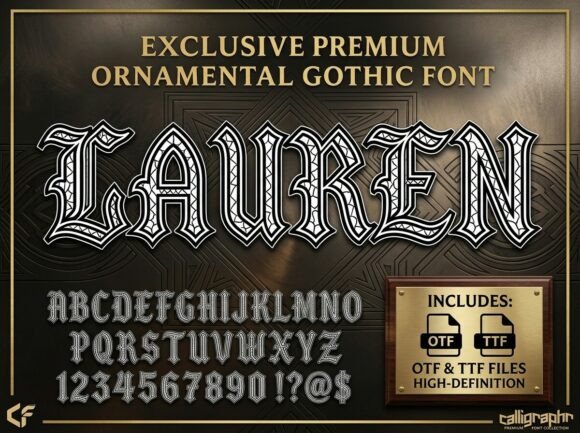
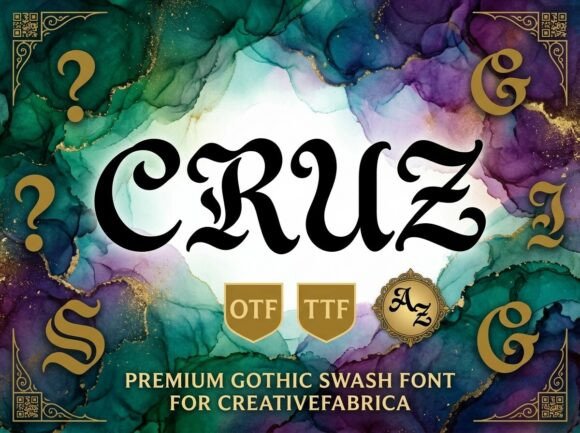
Cruz is a premium display font rooted in the Blackletter tradition, yet it transcends the typical heaviness associated with medieval script by introducing smooth, fluid strokes and graceful swashes. This unique balance makes it ideal for applications where a strong visual statement is needed without compromising on sophistication. Whether you're crafting a book cover, designing a luxury label, or creating a brand identity steeped in mystery, Cruz offers an instantly recognizable style that resonates across multiple industries.
Key Characteristics of Cruz
- Gothic Foundations: The structural core of Cruz is inspired by traditional Blackletter fonts, giving it a bold, authoritative feel reminiscent of old manuscripts and illuminated texts.
- Renaissance Influence: Unlike many modern interpretations of gothic typefaces, Cruz integrates elements of Renaissance calligraphy—curved terminals, high-contrast stems, and flowing embellishments—that soften its rigid lines into something more refined and approachable.
- Swash Variants: The inclusion of swash characters allows designers to add flair and movement to their compositions, making it suitable for logos, headlines, and decorative titles.
- High Contrast Design: Its thick and thin stroke variations enhance readability while maintaining a dramatic visual impact, especially when used at larger sizes.
Who Can Benefit Most from Cruz?
Cruz is particularly suited for creative professionals who work in niche markets where typography plays a central role in brand identity. These include:
- Book publishers and authors looking to create dark fantasy, horror, or historical fiction covers that immediately evoke atmosphere and intrigue.
- Streetwear and fashion designers aiming to craft logos or branding elements that reflect edgy, alternative styles with a touch of heritage.
- Tattoo artists and studios seeking a signature font that combines mystique with clarity for logotypes and promotional materials.
- Graphic designers working on tarot card decks, occult-themed merchandise, or esoteric art projects that require a visually rich and symbolic typographic language.
- Luxury beverage brands wanting to communicate exclusivity and craftsmanship through elegant label typography.
- Event designers and poster creators in the heavy metal or theatrical performance genres, where dramatic visuals are essential.
Practical Applications and Real-World Use
In practice, Cruz excels in large-scale typographic displays where the focus is less on readability at small sizes and more on evoking emotion and setting a scene. For instance, when applied to a book cover, Cruz can transform a simple title into a visual artifact that suggests centuries of lore behind it. Similarly, in streetwear branding, its stylized forms can anchor a logo in a distinct subculture while still appearing polished and intentional.
A real-world example might be a custom tattoo studio using Cruz for their storefront signage. The font's ornate details and strong structure lend themselves perfectly to the industry’s need for memorable and meaningful typography. Likewise, a winery producing limited-edition spirits could use Cruz on their bottle labels to imply rarity and a connection to history.
Evaluation Criteria: Quality and Usability
When assessing a font like Cruz, several key factors come into play: quality of construction, usability in various contexts, flexibility in application, and long-term value. Here's how Cruz measures up against these standards:
Quality of Construction
Cruz is meticulously crafted, with attention paid to the subtleties that differentiate it from other gothic-style fonts. The terminal curls are not merely decorative; they contribute to the overall harmony and rhythm of each letterform. High-quality glyph spacing ensures that even complex arrangements maintain legibility and visual cohesion. The font supports a wide range of special characters and ligatures, which is especially useful for designers who want to incorporate stylistic flourishes without sacrificing professionalism.
Usability in Different Contexts
While Cruz is best suited for display purposes, it can be adapted for use in secondary text elements when paired with a complementary sans-serif or serif font. However, due to its intricate nature, it may not perform optimally in body text unless the project demands a specific thematic consistency. It works exceptionally well in print media, where fine details can be appreciated, but digital use should consider screen resolution limitations.
Flexibility and Customization
One of Cruz’s greatest strengths lies in its versatility. The font comes with alternate glyphs and swash options, allowing for a high degree of customization. Designers can mix and match variants to suit different aesthetics or adjust the weight of individual characters for greater visual interest. This adaptability means that Cruz can evolve with a designer’s needs, offering fresh possibilities without requiring a complete redesign.
Strengths and Limitations
Every font has its sweet spots and constraints. Understanding these can help determine whether Cruz is the right choice for your next project.
Strengths
- Distinctive Visual Identity: Cruz doesn’t blend in—it commands attention. Its design is so unique that it can become part of a brand’s visual DNA, helping establish a strong and lasting impression.
- Historical and Artistic Resonance: The fusion of gothic and renaissance elements makes Cruz a compelling option for projects involving history, fantasy, or art-inspired themes.
- Professional Presentation: The font feels curated rather than rushed, with clean edges and consistent proportions that speak to its premium status.
Possible Limitations
- Not Ideal for Long Text: Because of its ornate design and high contrast, Cruz is not recommended for extended reading passages. It shines in short-form content such as headings, logos, and taglines.
- Learning Curve for Beginners: While experienced designers will appreciate its complexity, newcomers may find the variety of glyphs and swashes overwhelming at first. Proper pairing and layout planning are essential to avoid clutter.
- Contextual Fit: Though powerful, Cruz isn’t universally applicable. It thrives in themed environments and may clash with minimalist or modernist design sensibilities if not carefully integrated.
Why Consider Cruz for Your Project?
If your goal is to create something that feels timeless yet contemporary, Cruz is a strategic asset. It brings an air of gravitas to any composition, making it perfect for editorial design, packaging, branding, and event graphics. What sets Cruz apart is its ability to straddle two eras: the austere authority of the past and the expressive freedom of today’s design landscape.
For entrepreneurs launching a new line of artisanal products, Cruz provides a way to signal quality and intentionality through typography alone. Educators or bloggers in the literary or historical space might use it to emphasize quotes or section headers, reinforcing the theme of their content. Freelancers specializing in niche markets will find it invaluable for delivering work that aligns with client expectations and enhances the final product’s narrative appeal.
Final Recommendations
Cruz is a font that speaks volumes—literally and visually. If your project requires a commanding, historic, and stylish typographic solution, Cruz is worth considering. It’s not just a tool for text; it’s a design element that contributes to the overall storytelling and emotional impact of your work.
Before committing to Cruz, evaluate the context in which it will be used. Does the message align with its tone? Will it complement the supporting visuals and colors effectively? If yes, then Cruz can serve as a cornerstone of your design strategy. When used thoughtfully, it transforms ordinary layouts into extraordinary experiences.