Logic Machine: A Futuristic Typeface for Bold Design Statements
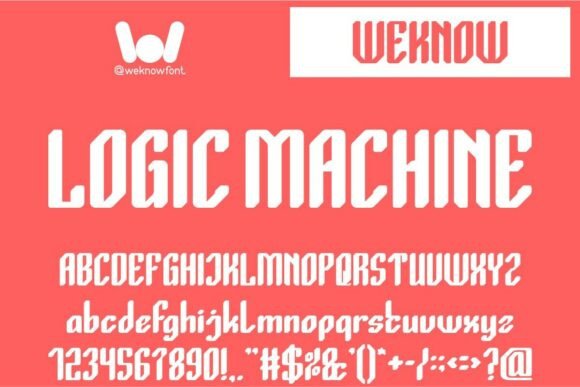
When it comes to creating a strong visual identity, the right typeface can make all the difference. Logic Machine is a standout font that combines the elegance of black letter design with the sharp, clean lines of modern gothic aesthetics. Infused with techno and sci-fi influences, this font brings a futuristic edge to any project. Whether you're designing a logo, crafting a brand identity, or working on entertainment-related visuals, Logic Machine is a versatile choice that promises to leave a lasting impression.
Why Logic Machine Stands Out in Modern Design
In today’s fast-paced digital world, where attention spans are short and competition is fierce, using a unique and impactful font like Logic Machine can help your work stand out. Its hybrid nature allows it to fit into multiple genres seamlessly—from sleek corporate branding to edgy apparel labels and immersive game environments.
One reason designers love Logic Machine is its adaptability. It works equally well in large headline sizes and smaller body text when needed, maintaining clarity and style across different scales. The geometric precision and subtle angularity give it a high-tech feel, while the black-letter roots add depth and character. This balance makes it ideal for both minimalistic and bold designs.
Common Misconceptions About Using Logic Machine
Despite its strengths, some users fall into traps when choosing and applying Logic Machine. One common mistake is assuming that because it looks powerful, it will always perform well in every context. In reality, not all projects benefit from a heavy, stylized font. Here are a few key points to consider:
- Misuse in low-contrast settings: Applying Logic Machine on light backgrounds without enough contrast can lead to readability issues. Always ensure there's sufficient contrast between the text and background to maintain legibility.
- Overlooking spacing and kerning: Due to its intricate details, spacing between characters (kerning) needs careful adjustment. Neglecting this can result in cluttered or uneven text blocks, especially at larger sizes.
- Using it for long-form content: While Logic Machine excels in logos and headlines, it may not be the best option for extended paragraphs. Its design is optimized for short bursts of text rather than lengthy narratives.
How to Choose the Right Use Case for Logic Machine
To maximize the impact of Logic Machine, match its aesthetic with appropriate applications. For example:
- Logo design: Perfect for tech startups, gaming companies, or fashion brands looking to convey innovation and strength.
- Movie posters and music packaging: Adds an otherworldly vibe that complements sci-fi themes or electronic music genres.
- Tabletop and video games: Enhances titles and card designs with a cyberpunk or futuristic tone.
- Magazines and books: Great for chapter headings or feature titles where you want to grab attention without overwhelming the reader.
Choosing the wrong use case can dilute the font’s effectiveness. Instead of forcing it into every design, evaluate whether its characteristics align with your message and audience. If you’re targeting a professional market, but using it in a way that feels too flashy, you might come off as less credible.
Pitfalls When Downloading or Purchasing Logic Machine
Another frequent issue arises during the acquisition process. Many users overlook licensing details before downloading or purchasing Logic Machine. Make sure to:
- Check if the license covers commercial use, web use, and print—especially if you're using it for client work or online platforms like YouTube or Instagram.
- Confirm how many devices or users the license supports. Some fonts restrict usage to a single user or device, which could become problematic in team environments.
- Review the file formats available. Ensure the font includes OTF, TTF, or WOFF files depending on your software and platform requirements.
Failing to verify these details upfront can lead to costly rework or legal complications later. Always read the fine print or reach out to the font vendor if anything is unclear.
Design Tips for Working With Logic Machine
Once you've secured the font, it's important to apply it thoughtfully. Here are some practical tips to enhance your design workflow:
- Use it sparingly: Apply Logic Machine to key elements like logos, titles, or headers, and pair it with more neutral fonts for supporting text. This creates visual harmony and ensures the reader isn’t overwhelmed.
- Pair with complementary colors: Since it has a strong visual presence, avoid using overly bright or busy color schemes. Stick to dark, metallic, or neon tones to highlight its futuristic essence.
- Test it on real-world materials: Before finalizing a design, check how it appears on different surfaces and sizes—especially if it's intended for physical products like t-shirts or posters.
For instance, if you're creating a brand identity for a new line of smartwatches, using Logic Machine in a minimalist layout with ample white space and a dark background can emphasize the product’s technological sophistication. Conversely, using it in a dense infographic without proper hierarchy could confuse the viewer and undermine the message.
Better Approaches to Font Integration
Let’s say you're designing a promotional poster for a science fiction film. You're tempted to use Logic Machine throughout because it feels “cool.” But a better approach would be to use it for the title and perhaps one key tagline, then switch to a simpler sans-serif font for the rest of the text. This maintains readability while still capturing the futuristic mood.
Similarly, if you're building a website for a tech startup, consider using Logic Machine only for hero sections or CTA buttons. Avoid using it in navigation menus or footers where clarity is more critical than flair.
What to Check Before Finalizing Your Choice
Before committing to Logic Machine for a project, ask yourself the following questions:
- Does this font reflect the tone and personality of my brand?
- Will it remain legible across different mediums and sizes?
- Am I pairing it with other fonts that complement rather than clash?
- Is the licensing suitable for the scope of my project?
Answering these honestly helps prevent poor decisions down the line. If you're unsure, create a quick mock-up using sample text and view it in various contexts to test its effectiveness.
Conclusion: Making the Most of Logic Machine
Logic Machine is more than just another font—it’s a design tool that can transform your creative output. By understanding its strengths and limitations, you can harness its potential without falling into common pitfalls. Always prioritize clarity and purpose over aesthetics alone, and don’t hesitate to experiment with pairings and layouts to find what works best for your project.
Remember, the goal is to communicate effectively while making a visual impact. When used correctly, Logic Machine does both. So take the time to learn about it, plan your usage carefully, and let your creativity shine through this powerful typeface.