Philyou Display: A Strategic Typeface for Modern Branding and Design
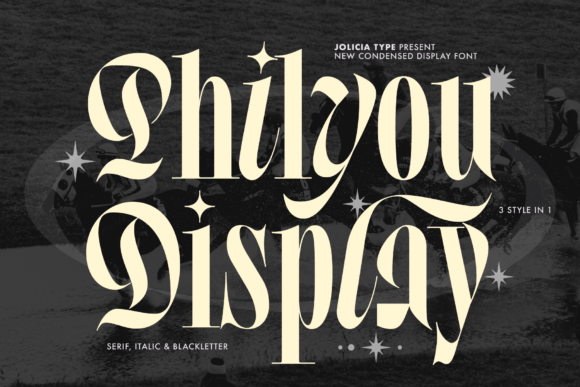
In the world of typography, choosing the right font can mean the difference between a design that stands out and one that gets lost in the noise. Philyou Display is a condensed serif typeface that combines classic elegance with bold character variations, making it a powerful tool for designers aiming to craft visually compelling messages. This single typeface offers three distinct styles—Didot-inspired serifs, Blackletter-style uppercase alternates, and italic lowercase forms—all harmoniously integrated into one cohesive family. Understanding how to use Philyou Display strategically can elevate your branding efforts, enhance editorial layouts, and streamline your creative workflow.
Elegance Meets Versatility: The Core of Philyou Display
The default style of Philyou Display is rooted in the refined aesthetics of Didot-style serifs. Characterized by high stroke contrast, geometric shapes, and tall, condensed proportions, this style delivers a sense of luxury and sophistication. It’s particularly well-suited for headlines, titles, and premium branding where clarity and impact are essential. Unlike traditional Didot fonts that may feel too rigid or formal, Philyou Display introduces subtle modern touches that make it adaptable without sacrificing its timeless appeal.
For professionals in fashion, publishing, and lifestyle industries, the Didot base of Philyou Display provides a clean foundation for showcasing content. Its ability to project authority while maintaining readability makes it an excellent choice for both print and digital applications. When used thoughtfully, it can communicate exclusivity and attention to detail—qualities that resonate strongly with discerning audiences.
Planning Your Typographic Strategy with Philyou Display
- Define the tone: Before implementing Philyou Display, consider the message you want to convey. Is it aspirational? Historical? Contemporary? Each alternate within the typeface can help shape this tone.
- Match the context: Use the Didot-style default for primary headings and key messaging. Save the Blackletter uppercase alternates for accents, logos, or subheadings that require visual gravitas.
- Leverage rhythm: The italic lowercase alternates are not just stylistic—they’re designed to flow naturally, supporting dynamic compositions and call-to-action elements without disrupting legibility.
Dramatic Contrast: The Role of Blackletter Uppercase Alternates
One of the standout features of Philyou Display is its inclusion of Blackletter-style uppercase alternates. These characters bring a dramatic, historical flair to any composition. While they might seem like a stark departure from the Didot base, they’re intentionally crafted to maintain structural harmony. This means they don’t clash but instead add depth and personality when used purposefully.
Consider a luxury brand launching a heritage line. Instead of sourcing multiple fonts to create contrast, the designer could use the Blackletter alternates sparingly to highlight key product names or taglines. This approach preserves typographic consistency while introducing a touch of tradition. Similarly, in editorial design, these alternates can be used to emphasize quotes or pull-outs, creating focal points that draw the reader’s eye.
Strategic Use Cases for Blackletter Alternates
- Brand storytelling: Use Blackletter alternates to evoke nostalgia or craftsmanship in marketing collateral, especially for brands with a rich history.
- Visual hierarchy: Apply them to subheadings or section titles to differentiate content layers without overwhelming the reader.
- Accent details: Incorporate them into packaging labels, invitations, or event posters to add a unique signature element.
Dynamic Emphasis: Italic Lowercase Alternates
Many display typefaces offer italics as a slanted version of the standard form, but Philyou Display goes further. Its italic lowercase alternates are true italics—distinct in structure, rhythm, and character formation. This allows for a more fluid and expressive use of emphasis, ideal for body text in headlines, pull-quotes, or even short blurbs that need to stand out.
True italics provide better readability and a more natural flow compared to mechanical slants. For marketers and educators, this means Philyou Display can support long-term communication strategies by ensuring that important phrases or keywords remain clear and impactful. Whether you're designing a blog post layout or a promotional poster, these italics can subtly guide the reader’s attention without breaking the visual continuity of the design.
How to Integrate Italic Alternates Effectively
- Use for emphasis: Highlight key terms or mottos in a way that feels intentional rather than forced.
- Balance with other styles: Pair the italic lowercase with the Didot or Blackletter options to create layered typographic interest.
- Test at scale: Ensure the italics perform well across different screen sizes and print formats, especially when used in smaller point sizes.
Designing with Purpose: Avoiding Common Pitfalls
While Philyou Display offers incredible flexibility, it’s not a font to be used indiscriminately. Like any display typeface, it thrives in environments where it has room to breathe and isn’t overused. One risk is relying on the Blackletter or italic alternates without a clear typographic strategy. These styles should serve a specific function—whether it's to add weight, create contrast, or introduce motion—not just fill space.
Another common mistake is using all three styles together without careful planning. Though they coexist within the same family, combining Didot, Blackletter, and italic lowercases in a single composition can lead to visual confusion if not managed properly. A good rule of thumb is to treat each style as a separate voice in your design narrative, using them only where they contribute meaning and clarity.
Key Considerations Before Implementation
- Know your audience: A younger demographic may respond differently to Blackletter alternates than a mature, professional one.
- Check legibility: Always test how the font reads at various sizes and distances, especially in low-resolution settings like mobile displays.
- Align with brand identity: Does the font reflect the values of your business? Luxury, history, or dynamism—each style must align with the intended perception.
Practical Applications and Real-World Outcomes
Let’s look at a few real-world examples of how Philyou Display can support strategic design goals:
Example 1: Fashion Brand Packaging
A boutique clothing brand uses Philyou Display for its new seasonal collection. The Didot-style title commands attention on the box, while the Blackletter alternates appear in the subtitle to hint at artisanal quality. The italic lowercase is reserved for a short tagline, giving it a soft, flowing presence that contrasts with the sharper elements above. This layered approach reinforces the brand’s dual identity of modernity and tradition, helping it stand out on crowded shelves.
Example 2: Editorial Layout for a Lifestyle Magazine
An editor chooses Philyou Display for a feature article on vintage car culture. The main headline uses the default Didot style to set a refined tone, while the Blackletter alternates are applied to the subheadline for added gravitas. Pull-quotes are rendered in the italic lowercase, adding movement and guiding the reader through the story. This deliberate use enhances the magazine’s credibility and visual appeal, encouraging readers to engage more deeply with the content.
Example 3: Digital Campaign for a Startup
A tech startup running a launch campaign opts for Philyou Display to balance innovation and professionalism. The main slogan is displayed in the Didot style, projecting confidence and clarity. The Blackletter alternates are used in the company logo to suggest legacy and trustworthiness, which is crucial in a competitive market. Meanwhile, the italic lowercase is featured in testimonials, making them feel more personal and authentic. The result is a unified yet versatile typographic language that supports the campaign’s long-term positioning.
Operational Efficiency and Creative Freedom
From a productivity standpoint, working with Philyou Display can simplify your font library. Rather than managing several different typefaces for contrast, you have a single font family offering multiple voices. This reduces cognitive load during the design process and ensures that your typographic choices remain consistent across platforms.
For freelancers and small teams, this efficiency is invaluable. It allows for faster decision-making and fewer revisions due to mismatched fonts. Additionally, the PUA encoding included in Philyou Display makes accessing special characters and decorative elements straightforward, eliminating the need for extra tools or plugins.
Maximizing Long-Term Value
- Build a style guide: Document how each alternate will be used so your team remains aligned and avoids misapplication.
- Invest in training: Educate your designers or content creators about the nuances of each style to ensure informed usage.
- Monitor performance: Track how users interact with your designs. Adjust typographic choices based on feedback and engagement metrics.
Conclusion
Philyou Display is more than just a beautiful typeface—it’s a strategic asset that can help shape your brand’s visual identity with precision and intention. By offering three distinct styles within one typeface, it enables thoughtful variation without compromising coherence. When used correctly, it supports clearer communication, stronger brand positioning, and more engaging customer experiences.
As with any design tool, success depends on how it’s applied. Take time to understand the strengths and limitations of each style. Plan your typographic decisions around your goals, not trends. And remember, the best designs aren’t built on random experimentation—they’re the result of intentional choices made with purpose and insight.