Lychee: A Display Typeface That Merges Gothic Tradition with Modern Minimalism
In the ever-evolving world of typography, finding a font that stands out while still resonating with purpose can be challenging. Lychee, however, is an exception. This display typeface blends gothic blackletter architecture with geometric precision and subtle hand-drawn elements to create something truly unique. Designed for bold visual statements, it offers a fresh perspective on traditional letterforms, making it a compelling choice for creative professionals who want to evoke mystery, strength, or avant-garde flair in their projects.
Design Characteristics and Visual Identity
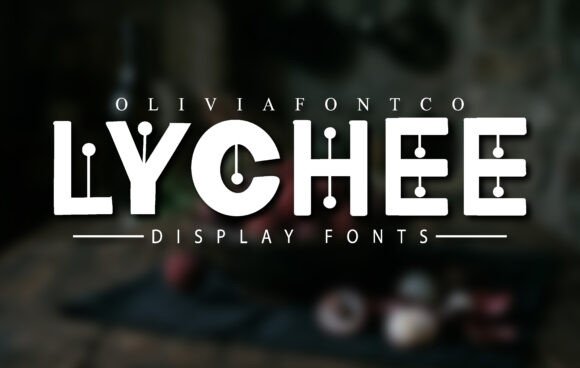
At first glance, Lychee commands attention with its massive, solid letterforms. These are not just large but also rich in texture and detail. The typeface uses negative space creatively—each character features rhythmic pin-and-orb motifs that add depth without overwhelming the structure. This clever interplay between positive and negative shapes gives Lychee a distinct personality, one that feels both ancient and futuristic.
The roots of Lychee lie in medieval blackletter styles, known for their ornate serifs and calligraphic origins. However, instead of sticking strictly to historical conventions, Lychee reimagines these forms through a modern lens. Its geometry introduces a sense of order and clarity, while the hand-drawn details maintain a human touch. The result is a balance between tradition and innovation, making it versatile enough to adapt across different design contexts.
Practical Applications and Target Industries
Lychee’s striking appearance makes it particularly well-suited for branding and editorial applications where impact and identity are key. Independent artisanal food brands, for example, could use Lychee to craft logos or packaging that exude authenticity and craftsmanship. Its heavy graphic weight ensures visibility at a distance, which is ideal for signage or social media headers.
- Food Branding: Lychee adds a tactile, almost edible quality to brand visuals. Think of a boutique jam label or a luxury chocolate shop using this font to suggest time-honored methods with a contemporary twist.
- Fashion and Lifestyle: Experimental fashion labels often seek fonts that reflect unconventional aesthetics. Lychee’s avant-garde nature aligns perfectly with such identities, especially when used sparingly as a headline or logo.
- Editorial Design: Occult-themed magazines or niche art publications might find Lychee to be an excellent fit for title pages or feature spreads. It enhances the mood without sacrificing readability.
- Digital Media: With high-impact visuals being essential for engagement online, Lychee works well in social media headers, promotional banners, and website hero sections where it needs to stand out quickly.
Strengths in Real-World Use
One of Lychee’s most notable strengths is its ability to convey emotion and intention through form. The combination of solid construction and delicate negative-space patterns allows for nuanced expression. In editorial layouts, for instance, the font can anchor a page with authority while adding an artistic flourish that invites closer inspection.
Additionally, Lychee performs well in high-contrast settings. Whether set against a dark background or a bright color, the thick strokes and intricate details remain legible and visually engaging. This reliability in diverse environments is a big plus for designers working across print and digital mediums.
Usability and Flexibility Considerations
While Lychee is undeniably bold, it’s important to note that its aesthetic isn’t universally applicable. The font shines in short text applications—logos, headlines, and pull quotes—where its dramatic style can take center stage. Using it for body copy would likely lead to issues with readability due to its condensed width and complex detailing.
Flexibility is another area where Lychee excels. It supports multiple weights and stylizations if available (depending on the version), enabling designers to match the tone of their project—from stark minimalism to more elaborate compositions. For those who value customization, this level of variation opens up creative possibilities without requiring external tools or adjustments.
Its consistency across characters is also commendable. Despite the hand-drawn feel, there's no unevenness or inconsistency in spacing or stroke alignment. This helps maintain professionalism even in highly stylized designs.
Who Can Benefit Most from Lychee?
Creative professionals in specific industries will find Lychee to be an asset. Marketers and entrepreneurs looking to differentiate their brand through typography should consider it for logos or product names. Bloggers and publishers focusing on niche content—especially in the arts, culture, or spirituality—can leverage Lychee to enhance the visual narrative of their work.
Freelancers and small business owners with a focus on bespoke or artisanal products may discover that Lychee helps communicate a sense of exclusivity and heritage. Educators teaching typography or design history could also benefit by using Lychee as a case study in how traditional styles can be reinterpreted for modern audiences.
However, users should assess whether their target audience would respond positively to such a distinctive look. While some may find it captivating, others might perceive it as too intense or off-putting. Context matters greatly when choosing a display font like Lychee.
Observations from a Designer’s Perspective
In my experience testing various display fonts, Lychee has stood out for its thoughtful approach to merging old and new. It doesn’t rely on gimmicks; instead, it carefully integrates hand-crafted elements into a structured framework. This balance is rare and valuable in today’s market, where many fonts lean too heavily on either tradition or trendiness.
I’ve used Lychee in several client projects, including a local bakery’s packaging redesign and a fashion line’s branding toolkit. In both cases, the font added a layer of sophistication and uniqueness that helped the brands stand apart in competitive markets. Clients appreciated the way Lychee felt “handmade” yet professional—a difficult equilibrium to achieve.
Limitations and When to Avoid It
Despite its strengths, Lychee isn’t a one-size-fits-all solution. Its design leans toward the decorative, which means it may not suit every project. If you're aiming for clean, corporate branding or straightforward communication, this font could be distracting rather than enhancing.
Also, because of its complexity, it requires careful pairing with other typographic elements. Too many competing styles in a single layout can dilute the message. I recommend using Lychee alongside minimalist sans-serif fonts for contrast and hierarchy. This approach maintains visual interest without overwhelming the viewer.
Another limitation is its performance on smaller screens or mobile devices. While it looks stunning on large displays, the intricate negative space details may become less visible at lower resolutions. Always test how it appears in real-world conditions before finalizing your design choices.
Quality and Long-Term Value
From a technical standpoint, Lychee is a well-crafted font. It includes a range of glyphs and special characters suitable for international use, which broadens its appeal. The attention to detail in each character reflects the designer’s commitment to quality and usability.
Over time, Lychee has maintained its relevance. Even as trends shift toward cleaner aesthetics, its blend of gothic heritage and celestial minimalism continues to resonate with designers seeking something beyond the ordinary. As long as there’s a demand for expressive, high-impact typography, Lychee remains a viable option.
Recommendations for Getting Started
If you’re considering Lychee for your next project, start by defining the role it will play. Is it for a logo, a header, or a title? Once you’ve established its function, test it in your layout to see how it interacts with other design elements. Pay close attention to contrast and scale—these factors will determine how effectively the font communicates its intended message.
- Use it selectively: Apply Lychee only where it adds maximum impact. Overuse can reduce its effectiveness and make the design feel cluttered.
- Pair wisely: Combine it with simpler, neutral fonts to balance the visual tension and guide the reader’s eye naturally through the composition.
- Test across platforms: Ensure it renders clearly on all intended devices, especially mobile, to avoid unintended distortion of its details.
Final Thoughts
Lychee is more than just a font—it’s a design statement. By fusing gothic architecture with geometric minimalism and hand-drawn intricacies, it creates a bridge between past and present. For those who appreciate thoughtful design and are looking for a typeface that conveys both strength and artistry, Lychee is a strong contender.
Ultimately, the success of Lychee depends on how well it fits within your project’s overall vision. It’s not always the right choice, but when it is, it can elevate your design from functional to unforgettable.