Discover the Intersection of Tradition and Modernity with Diloma
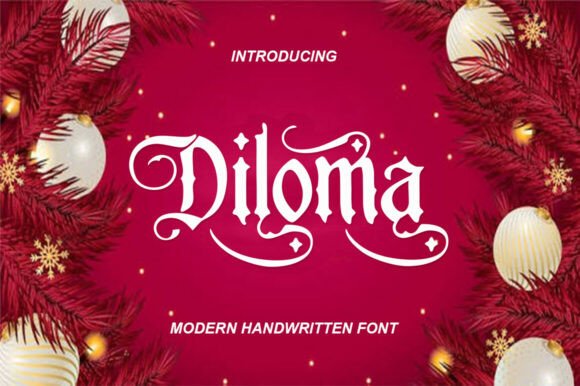
In the ever-evolving world of design, finding a font that bridges the gap between classic elegance and modern minimalism can be challenging. Enter Diloma, a striking blackletter-inspired display font that effortlessly merges the ornate beauty of Old English typography with the bold, angular aesthetics of brutalism. This unique combination makes it a standout choice for designers looking to create powerful visual statements without compromising on style or substance.
The Roots of Blackletter Typography
Blackletter fonts have long been associated with tradition, history, and formality. Originating in medieval Europe, these typefaces were once the standard in handwritten manuscripts and early printed works. Known for their dense, ink-heavy appearance and intricate strokes, blackletter fonts like Gothic or Textura convey a sense of gravitas and authenticity.
While traditional blackletter styles are often seen as outdated, they carry a timeless charm that many modern designs strive to emulate. The key to keeping this style relevant lies in how it’s adapted—something Diloma achieves masterfully by incorporating elements of brutalist design into its structure.
What is Brutalism in Design?
Brutalism, as a design philosophy, is characterized by raw, unembellished forms, stark contrasts, and an emphasis on functionality over ornamentation. Though most commonly associated with architecture, the brutalist aesthetic has found its way into digital design through bold, geometric fonts and layouts that prioritize clarity and impact.
Diloma takes inspiration from this movement, using sharp angles and rigid construction to give the font a contemporary edge while preserving the historical essence of blackletter calligraphy. This balance makes it a versatile option for both nostalgic and forward-thinking design projects.
How Diloma Merges Old and New
At first glance, Diloma may seem like a typical blackletter font. But upon closer inspection, you’ll notice something different: the clean, almost industrial lines that echo brutalist principles. These features make the font feel modern yet rooted in tradition, offering a fresh take on a centuries-old style.
- Flat-Pen Calligraphy Influence: Each character is meticulously crafted with the precision of flat-pen calligraphy, ensuring that every stroke maintains the weight and rhythm needed for visual harmony.
- Angular Brutalist Forms: The use of rigid angles and geometric shapes adds a structural, architectural quality to the font, making it ideal for bold headlines and impactful titles.
- High Contrast Strokes: Combining thick and thin lines enhances legibility and gives each letter a dramatic flair, especially at larger sizes.
This fusion isn’t just about aesthetics—it’s about creating a font that tells a story. Whether you’re designing a website, branding package, or editorial layout, Diloma brings a sense of heritage and strength that resonates visually and emotionally with audiences.
Design Characteristics That Set Diloma Apart
Several key characteristics define Diloma and make it stand out among other display fonts:
- Distinctive Letterforms: The letters maintain the familiar look of blackletter but with a more structured, almost mechanical feel. Think of it as a bridge between the organic flow of calligraphy and the rigidity of modern design.
- PUA Encoding Included: One of the practical benefits of using Diloma is its support for PUA (Private Use Area) encoding. This means all special characters and decorative glyphs are easily accessible without needing extra software or tools, streamlining your workflow significantly.
- Exceptional Legibility: Despite its ornate origins, Diloma is designed to remain highly readable. The careful attention to spacing and contrast ensures that even complex characters don’t overwhelm the viewer.
- Scalability: Whether used in a large headline or a smaller typographic element, Diloma holds up well across various sizes, maintaining its bold presence and clarity.
Why Designers Are Choosing Diloma Today
Many professionals are turning to Diloma because it offers something unique: a blend of power and sophistication that’s hard to find elsewhere. In industries where visual identity plays a crucial role—such as fashion, publishing, or entertainment—this font provides a compelling way to communicate authority and creativity simultaneously.
Consider a brand launching a luxury product line inspired by vintage craftsmanship. Diloma could serve as the perfect typographic centerpiece, evoking a sense of timelessness while still feeling current and cutting-edge. Similarly, it can elevate the look of a magazine cover, giving it an editorial feel that commands attention without being overwhelming.
Practical Applications for Diloma
Diloma is not just another pretty font—it’s a tool that serves specific design needs. Here are some scenarios where it shines:
- Brand Identity: For logos, taglines, and packaging, Diloma adds a commanding presence. Its ability to convey both strength and refinement makes it suitable for brands that want to appear authoritative yet stylish.
- Editorial Design: From book covers to newspaper headlines, Diloma brings a dramatic flair that captures the reader’s attention and sets the tone for the content.
- Web Design: With responsive design becoming essential, Diloma adapts well to screen-based applications. Its high-contrast style works particularly well on dark backgrounds, enhancing visibility and user experience.
- Event Branding: Concert posters, festival announcements, and event invitations benefit from Diloma’s boldness. It helps create a memorable visual identity that aligns with themes of tradition, rebellion, or cultural revival.
Key Considerations Before Using Diloma
Before integrating Diloma into your project, there are a few things to keep in mind to ensure it complements your overall design:
- Use Sparingly: While Diloma is incredibly strong in its own right, overusing it can lead to visual fatigue. Reserve it for headlines, logos, or accents to let it make the biggest impact.
- Pair with Subtle Fonts: To balance its bold nature, consider pairing Diloma with a simpler, sans-serif or serif font for body text. This contrast helps guide the reader's eye and prevents the design from becoming too heavy.
- Color and Background Harmony: Given its high contrast and dark tones, Diloma pairs best with light or neutral backgrounds. However, it can also work beautifully on darker palettes, adding depth and dimension when used thoughtfully.
- Accessibility: Always test your design for readability across devices and screen sizes. Even though Diloma is built with legibility in mind, its complexity may require adjustments in certain contexts.
Real-World Examples of Diloma in Action
To truly appreciate the versatility of Diloma, consider how it might be applied in real-world design scenarios:
- Craft Brewery Logo: A local brewery rebranding around traditional European roots might use Diloma in their logo to evoke a sense of heritage and authenticity.
- Historical Museum Poster: A poster promoting a new exhibit could leverage Diloma to create a striking title that immediately communicates the theme of history and modern interpretation.
- Film Title Card: In the film industry, Diloma can be used to craft title cards for period dramas or documentaries, where the font’s weight and character help set the tone before the first frame even plays.
- Wedding Invitation: For couples seeking a bold, romantic touch, Diloma can add a sense of grandeur to wedding invites while still feeling modern and unique.
Technical Advantages of Using Diloma
Beyond its visual appeal, Diloma is engineered with usability in mind. The inclusion of PUA encoding allows designers to access a wide range of alternative glyphs, ligatures, and symbols directly from their keyboard—no need for glyph panels or third-party tools.
This feature is especially valuable in fast-paced creative environments where efficiency matters. Whether you're working in Adobe Illustrator, Photoshop, or any other design software, Diloma gives you full control over your typographic choices without slowing down your process.
Additionally, the font supports multiple languages and character sets, making it a global-ready solution for international branding or multilingual publications. Its robust technical foundation ensures compatibility across platforms and browsers, reducing the risk of formatting issues in digital projects.
Where to Find and How to Use Diloma
If you’re interested in exploring Diloma for your next project, it’s available on several major font marketplaces and design platforms. When downloading, look for packages that include OpenType features and PUA support to unlock the full potential of the typeface.
Once installed, Diloma can be used much like any other display font. Just remember to pair it wisely and adjust spacing as needed. Many designers find that using it in conjunction with lighter, more streamlined fonts helps maintain a balanced composition.
Conclusion
Diloma represents a rare convergence of past and present in typography. By marrying the rich, historical weight of blackletter calligraphy with the stark, minimalist energy of brutalist design, it offers a distinctive voice for modern creators who want to honor tradition while pushing boundaries.
Whether you’re crafting a logo, designing a website, or producing print materials, Diloma provides the tools to create a bold, memorable impression. Its thoughtful construction, accessibility, and adaptability make it more than just a font—it’s a statement of style and purpose.