Turskina: Bold Typography with a Historical Edge
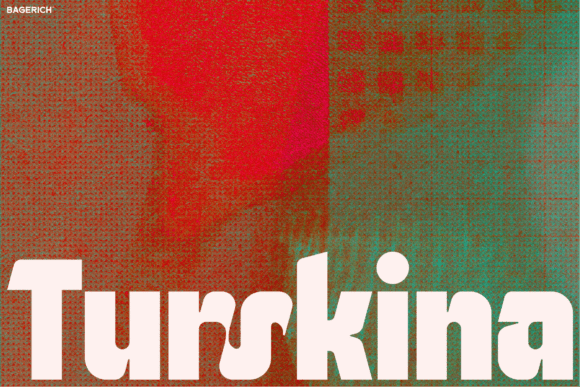
In the world of design and typography, choosing the right font can make all the difference. Turskina stands out as a unique option that blends the grandeur of Old World aesthetics with the precision of modern design. This high-contrast typeface offers a commanding presence without the ornate complexity of traditional calligraphy. Whether you're creating branding materials, editorial content, or digital assets, Turskina delivers a visual impact that’s both timeless and contemporary.
Why Turskina Matters for Modern Designers
Typography isn’t just about legibility—it's about conveying tone, authority, and intention. Turskina is designed to speak volumes at a glance. Its thick stems and chunky structure give it an ink-trapped feel, reminiscent of stone-carved inscriptions. This makes it ideal for designers who want to communicate strength and gravitas without sacrificing clarity. The verticality of the characters adds a sense of order and stability, much like the architecture of a gothic cathedral—but reimagined with the efficiency of modern technology.
Practical Benefits in Real-World Applications
The bold nature of Turskina ensures visibility even from a distance, making it a great choice for signage, posters, and headlines. Its clean lines and structured form simplify the design process by reducing the need for additional visual elements to support readability. For entrepreneurs launching a brand, this means a more focused message with less clutter.
- Brand Authority: Use Turskina in logos or taglines to establish immediate credibility and distinction.
- Editorial Impact: Apply it in magazine titles or book covers to create a striking first impression.
- Web Presence: Incorporate it into website headers for a strong, memorable visual anchor.
Who Can Benefit Most from Turskina?
Turskina is particularly well-suited for professionals in industries where authority and clarity are key—such as legal, academic, and corporate sectors. Marketers will find its commanding presence useful in crafting compelling headlines, while bloggers may use it to highlight key sections or quotes. Educators and publishers might appreciate how it enhances the readability of dense texts by providing a clear typographic hierarchy.
Designing with Purpose: Turskina’s Architectural Aesthetic
One of the standout qualities of Turskina is its architectural solidity. Each character feels like a structural component rather than just a symbol. This characteristic is especially valuable when designing materials that require a formal or historical tone. Think medieval manuscripts given a sleek, modern update. The narrow apertures and occasional sharp spurs evoke the imagery of shields and banners, adding layers of meaning to your text without overcomplicating the layout.
For example, a museum exhibit on Gothic architecture could benefit greatly from using Turskina in display panels. It would reinforce the theme visually while maintaining the professionalism needed for such settings. Similarly, a law firm’s brochure or website could leverage Turskina to project confidence and tradition in one fell swoop.
Time-Saving Features for Creative Professionals
What sets Turskina apart from many other fonts is its inclusion of ligatures and alternates. These features allow for greater customization and typographic flair without requiring manual adjustments. When working under tight deadlines, having access to these built-in variations can streamline the creative process and elevate the final output. Multilingual support also makes it versatile for international projects, eliminating the need to switch fonts for different languages.
When to Consider Alternatives
While Turskina excels in high-impact applications, it may not be the best fit for every project. Its boldness and blackletter roots mean it can appear overwhelming if used excessively in body text or in minimalist designs. In such cases, pairing it with a more neutral sans-serif font for supporting content can maintain balance and readability.
If your project requires extensive paragraph writing or long-form reading, it’s worth considering complementary fonts that offer better line spacing and kerning for extended use. Turskina shines most in short bursts—logos, headlines, and title pages—where its commanding style can be fully appreciated without tiring the reader.
Realistic Use Cases for Turskina
Let’s explore a few scenarios where Turskina can truly shine:
- Event Branding: From festival posters to conference invitations, Turskina adds a dramatic touch that captures attention immediately.
- Product Packaging: For luxury goods or heritage brands, the font’s weight and structure convey exclusivity and timelessness.
- Corporate Identity: Law firms, financial institutions, and consulting agencies can use it in headers and mission statements to project expertise and reliability.
- Digital Marketing: Social media posts, email campaigns, and landing page headlines become more engaging with the visual punch of Turskina.
Thoughtful Observations on Turskina’s Unique Qualities
Many designers struggle to find a font that balances tradition with modernity. Turskina solves this by taking inspiration from blackletter forms but refining them for today’s standards. It doesn’t overwhelm the eye like some vintage scripts do, nor does it lose the historical weight that makes those styles so evocative. Instead, it bridges the gap, offering a look that feels both authentic and efficient.
This blend of Old and New makes it a favorite among creatives looking to add depth to their work without compromising on usability. It’s a reminder that history doesn’t have to be sacrificed for progress—and vice versa.
How to Get Started with Turskina
Integrating Turskina into your workflow is straightforward. Begin by using it in a single focal point—like a logo or headline—to test its effectiveness. Once you’re comfortable with how it looks, experiment with the ligatures and alternates to add subtle variation and interest. Remember to keep contrast in mind; pair it with lighter weights or simpler fonts to avoid visual fatigue.
Consider using online tools or font preview websites to see how it performs across different platforms and screen sizes before committing to a full project. This small step can help ensure the font aligns with your audience’s expectations and your design goals.
Conclusion
Turskina is more than just another font—it’s a tool for storytelling, identity, and influence. Its ability to combine the authority of old-world typography with the crisp clarity of modern design makes it a powerful asset in any designer’s toolkit. By understanding its strengths and limitations, you can harness its potential to enhance your work and leave a lasting impression on your audience.